
Understanding the Weight of Snow on a Roof and How Pitch Keeps Your Home Protected
What Every Delaware Homeowner Should Know Before the Snow Falls
We’ve worked on a lot of roofs over the years here in Delmarva—especially in places like Harrington—and one of the most common questions we hear in winter is:
“Should I be worried about all this snow sitting on my roof?”
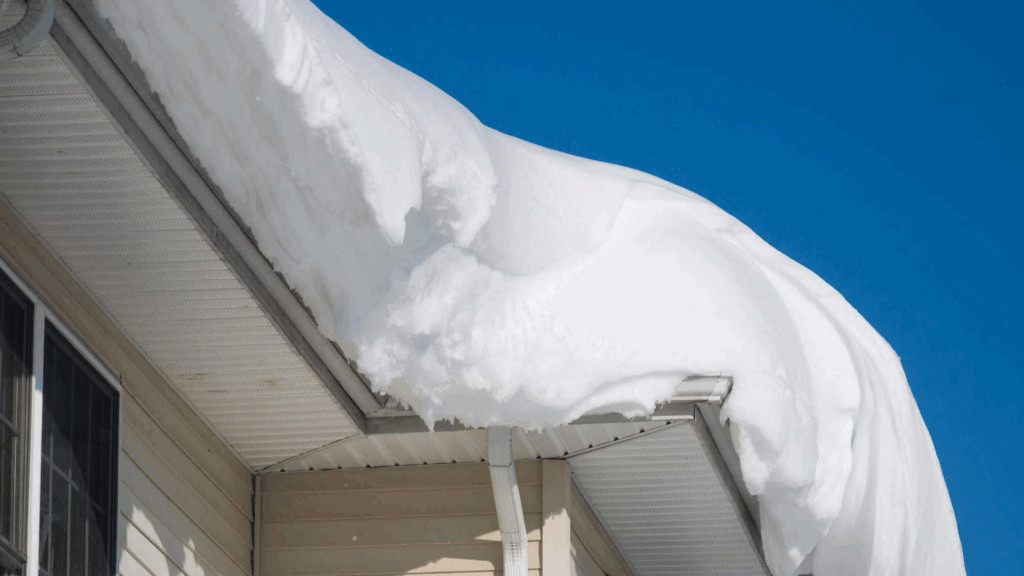
It’s a fair question. While snow may look harmless at first, it adds up—especially when it’s wet or packed in with sleet and freezing rain. The weight of snow on a roof can quickly exceed what your home was originally built to handle. And here’s where roof pitch becomes a key part of the conversation.
If your roof is too flat, snow sits longer and puts more pressure on your structure. If it’s pitched properly, that same snow has a better chance of sliding off before it causes problems. This post explains why that matters—and what you can do if your roof isn’t quite ready for winter.
Here’s what we’ll cover:
- Why the weight of snow on a roof is a real issue in Delaware
- How roof pitch affects snow buildup and runoff
- How to calculate pitch of a roof and what’s considered “steep”
- What signs to watch for if your roof is under strain
- What materials work best for snowy conditions
- How we help homeowners in Harrington and surrounding towns handle snow season with confidence
If you’re unsure how your roof will hold up this winter, Grand Exteriors can help with an inspection. We’re local, and we understand how Delaware weather impacts real homes.
Why Roof Pitch and Snow Weight Matter Here in Harrington
What Is Snow Load—and Why Should You Care?
Let’s start with the basics. Snow load is the amount of weight sitting on your roof after a snowfall. Not all snow weighs the same:
- Light, fluffy snow: around 5 lbs per cubic foot
- Wet or compacted snow: 15–20+ lbs per cubic foot
Now imagine that across hundreds of square feet. You can see how quickly it becomes an issue.
In Harrington, we don’t always get deep snow, but we often get a mix of snow and sleet. That makes it heavier—and more of a concern for homeowners, especially on older or flatter roofs.
How Roof Pitch Affects Snow Shedding
Roof pitch is the slope of your roof, usually written as a ratio like 6:12—meaning the roof rises 6 inches for every 12 inches of horizontal run.
- Steeper roofs (6:12 and up) shed snow faster.
- Low-slope or flat roofs (under 3:12) tend to hold onto it.
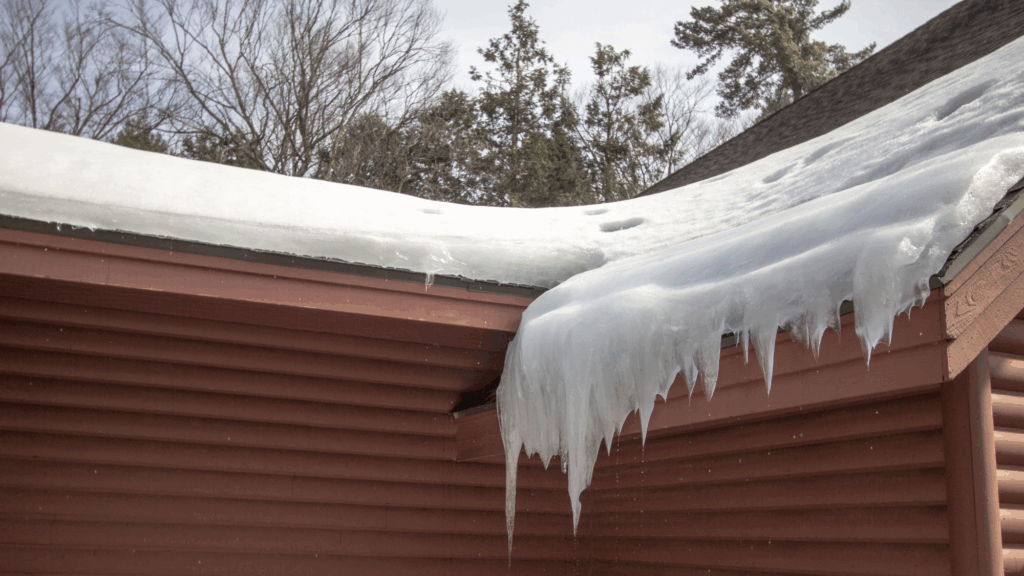
The longer snow stays on the roof, the more weight builds up—and the more likely it is to melt, refreeze, and cause ice dams or leaks.
In short, a properly pitched roof helps your home take care of itself when the snow falls.
Before You Act: What to Know About Snow Load Solutions
If you’re thinking about making changes to your roof—or just want to know what you’re dealing with—there are a few practical things to keep in mind:
Know What You’re Working With
Start by checking your roof’s pitch, either with a simple level and tape measure or by calling us for an inspection. Look for flat sections, older materials, or signs of stress like sagging or leaks.
Don’t DIY Snow Removal
We get it—it’s tempting to clear snow off your roof after a big storm. But climbing a ladder with a shovel in icy conditions isn’t safe. The risk of falling or damaging your roof is high. Let a professional handle it.
Permits and Building Codes
In Delaware, structural changes or full roof replacements usually require permits. Any contractor worth their license should handle that for you. We always do.
Budgeting for Fixes
Roof upgrades to improve pitch or reinforce framing can cost more up front, especially if you’re dealing with a low-slope or older home. But it’s often worth it when you compare it to the cost of ongoing winter damage.
A Closer Look: Roof Pitch vs. Snow Load in Action
How Do You Calculate Pitch of a Roof?
To measure the pitch:
- Place a 12″ level flat on the roof.
- Measure how many inches the roof rises vertically at the 12-inch mark.
- That’s your pitch.
- 4″ rise = 4:12 pitch
- 7″ rise = 7:12 pitch
You don’t need to get up there yourself—we can measure it safely during an inspection.
How Roof Pitch Helps During Snow Season
Here’s the bottom line:
The steeper your roof, the less snow it holds. And that’s exactly what you want in a Delaware winter.
- 6:12 or higher: Snow typically slides off before it becomes a problem.
- 3:12 or lower: Snow lingers, melts, refreezes—and puts your roof under more stress.
Local Example: Snowstorm in Harrington
Last winter, we got a call from a homeowner on the edge of Harrington. They had a leak coming through a flat roof section on their garage after an overnight snow and sleet mix. Their main roof (7:12 pitch) was clear. That small flat area caused all the trouble.
We cleared the snow, inspected the structure, and installed ice and water shield for future protection.
Roofing Materials and Winter Performance: What to Expect
How Your Roofing Material Handles Snow Matters Too
| Roofing Material | Snow Shedding | Weight | Winter Durability |
| Metal Roofing | Excellent | Light | High – snow slides off easily |
| Architectural Shingles | Good | Moderate | Durable with proper pitch |
| 3-Tab Shingles | Fair | Lighter | Less resistant to freeze-thaw cycles |
| Flat Roofing (TPO, EPDM) | Poor | Light | Needs regular drainage checks |
Pros and Cons of Steeper Roofs in Snowy Conditions
Pros:
- Better natural runoff
- Fewer ice dams
- Less weight buildup
Cons:
- More costly to install or repair
- Harder to access for maintenance
- May need extra framing if retrofitting an older home
How We Approach This at Grand Exteriors
We take a common-sense approach. If your current roof pitch and materials are holding up fine, we’re not going to sell you something you don’t need.
But if we see a real issue—especially over low-pitch sections—we’ll walk you through options to:
- Reinforce your roof framing
- Improve drainage or snow shedding
- Install underlayments that reduce ice dam risks
- Use roofing materials that hold up better in winter
No pressure. Just the facts and a clear path forward.
Winter Roof Safety: Common Questions from Harrington Homeowners
We talk to a lot of homeowners this time of year who are preparing for the snow or already noticing signs of strain on their roof. Below are some of the most common questions we hear about roof pitch, snow weight, and winter readiness in Delaware—especially from folks here in Harrington and the surrounding Delmarva area.
How much snow weight can my roof handle?
Most roofs in Delaware are designed to hold around 20 pounds of snow per square foot. However, the actual weight your roof can handle depends on its pitch, age, materials, and whether it’s been properly maintained.
How do I know if my roof pitch is steep enough?
You can tell if your roof pitch is steep enough by measuring the vertical rise over a 12-inch horizontal span. A pitch of 6:12 or steeper is generally considered good for snow shedding in Delaware’s climate.
Can the weight of snow on a roof cause damage?
Yes, the weight of snow on a roof can lead to real problems. Too much accumulation—especially from wet, heavy snow—can cause sagging, leaks, ice dams, or even structural issues if left unchecked.
Is it safe to remove snow from my own roof?
It is not safe to remove snow from your own roof without the proper equipment and experience. We recommend calling a professional to avoid injury or accidental damage to your roofing system.
What roofing material performs best in snowy weather?
Metal roofing performs best in snowy weather because it allows snow to slide off quickly. Architectural shingles also hold up well when installed correctly on a properly pitched roof.
Can Grand Exteriors inspect my roof before winter?
Yes, Grand Exteriors can inspect your roof before winter to make sure it’s ready for snow and ice. We’ll check the pitch, drainage, materials, and look for any weak spots—then give you a clear, pressure-free recommendation.
Final Thoughts: Pitch Plays a Big Role in Winter Roof Protection
Winter storms don’t need to be record-breaking to cause roof damage. Even a few inches of wet, heavy snow can put stress on a roof—especially if it doesn’t have the slope to shed it properly.
At Grand Exteriors, we’ve helped hundreds of Delaware homeowners spot weak points, understand their roof’s pitch and snow load capacity, and make informed choices to prevent winter issues before they start.
If you’re not sure what kind of shape your roof is in—or just want a second opinion—schedule a free inspection today. We’ll give you the information you need, explain what we see, and let you decide what’s next.
No pressure. Just good roofing done right.