
Practical Guidance for Preventing Mold on Roof Shingles in Harrington
When Damp Winters Set In, Roof Mold Becomes Easier to Miss
One thing we’ve learned after working on homes across Delmarva is that winter doesn’t need heavy snow to cause roofing problems. Here in Harrington, it’s the long stretches of damp, mild weather that tend to create the most trouble. You look up at your roof one day and notice a dark streak or patch you hadn’t seen before. At first, it might seem like dirt or shadowing. But more often than not, that’s the early sign of mold on roof shingles.
Roof mold doesn’t show up overnight. It develops slowly, and usually in places where moisture lingers and sunlight doesn’t reach. If it’s ignored, it can shorten the life of your roof and point to bigger issues like poor ventilation or trapped moisture.
In this guide, our goal is simple: help you understand how to spot mold growth early, why it happens in Delaware winters, and what you can do to prevent mold on roof shingles without stress or guesswork.
By the end, you’ll know:
- What early roof mold actually looks like
- Why damp Delaware winters make mold more likely
- How to prevent mold on roof shingles with simple, practical steps
- What an inspection can uncover that you may not see from the ground
- How Grand Exteriors approaches mold prevention and roofing health
If you’re already seeing signs of staining or want peace of mind before winter continues, Grand Exteriors can help with a thorough roof inspection.
Why Mold Shows Up on Roofs in Delaware Winters
What Roof Mold Looks Like
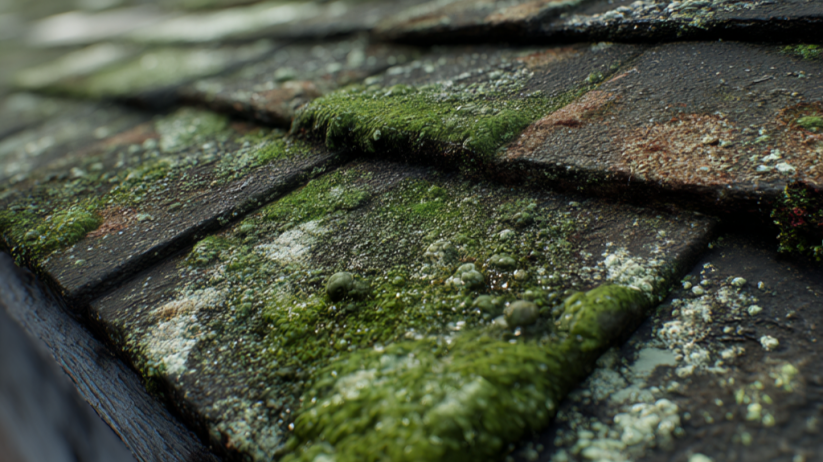
Roof mold tends to show up as dark streaks or spotty discoloration. It’s most common:
- On the north-facing sides of roofs
- Beneath shaded sections
- In roof valleys where moisture lingers
Some homeowners mistake mold for algae or dirt. Algae typically causes long dark streaks. Mold is patchier and often indicates deeper moisture retention.
Why Harrington’s Climate Encourages Mold Growth
Winters here bring long periods of dampness without much sun. That gives moisture time to settle into shingles. Daytime temperatures hover above freezing, which keeps the surface wet without allowing it to fully dry. Pair that with shade from nearby trees or overhangs, and you get ideal conditions for mold growth.
Because mold develops slowly, many homeowners don’t see it until it’s been there for months. That’s why understanding how to spot mold early and prevent mold on roof shingles becomes an important part of winter home care in this region.
Mold Is Often a Symptom of Something Else
Mold on a roof isn’t just a cosmetic issue. It often points to:
- Poor attic ventilation
- Inconsistent airflow
- Moisture trapped beneath the roof deck
- Gutters backing up or draining improperly
A simple cleaning won’t solve those issues. But recognizing mold early can help prevent more expensive repairs later.
What Homeowners Should Know Before Addressing Roof Mold
Before taking any action, here are a few practical considerations to keep in mind:
Cleaning Isn’t Always the Full Fix
Removing visible mold won’t stop it from coming back if the root of the problem is still there. Ventilation, drainage, and shade all play a part.
Roof Mold Doesn’t Always Mean Replacement
A roof may look worse than it is. Surface mold can often be treated, but deeper moisture issues require a closer look. An inspection helps determine what’s necessary—and what isn’t.
DIY Roof Cleaning Comes With Risks
Wet, moldy shingles are slick. Combine that with damp winter conditions, and it becomes unsafe quickly. Beyond safety concerns, aggressive cleaning can damage shingles or void warranties.
Permits and Costs
You won’t need a permit for preventative cleaning or ventilation improvements. Structural repairs or roof replacements usually do require permits, and we handle that process when needed.
How to Prevent Mold on Roof Shingles: Clear, Practical Steps
Keeping mold off your roof isn’t about quick fixes. It’s about setting your roof up so moisture can’t stick around long enough to cause trouble.
Improve Attic Ventilation
Good ventilation allows warm, moist air to escape instead of condensing beneath the roof. We often find that when homeowners ask about preventing mold on roof shingles, attic airflow is the first place to look.
Proper ventilation includes:
- Balanced intake and exhaust vents
- Ridge vents that actually breathe
- Bathroom fans vented outside, not into the attic
Small improvements can make a big difference in winter.
Trim Back Shade-Creating Branches
Trees are a great asset to any home, but shade and falling debris keep shingles wet for longer. Trimming branches helps your roof dry naturally.
Keep Gutters Clear
Clogged gutters allow water to spill back toward your roof instead of away from it. In winter, that constant moisture along the roofline creates ideal conditions for mold.
Consider Mold-Resistant Shingles
If you’re planning a roof replacement, algae- and mold-resistant shingles offer added protection. Many modern shingles include copper or zinc granules that inhibit mold growth.
Schedule Routine Inspections
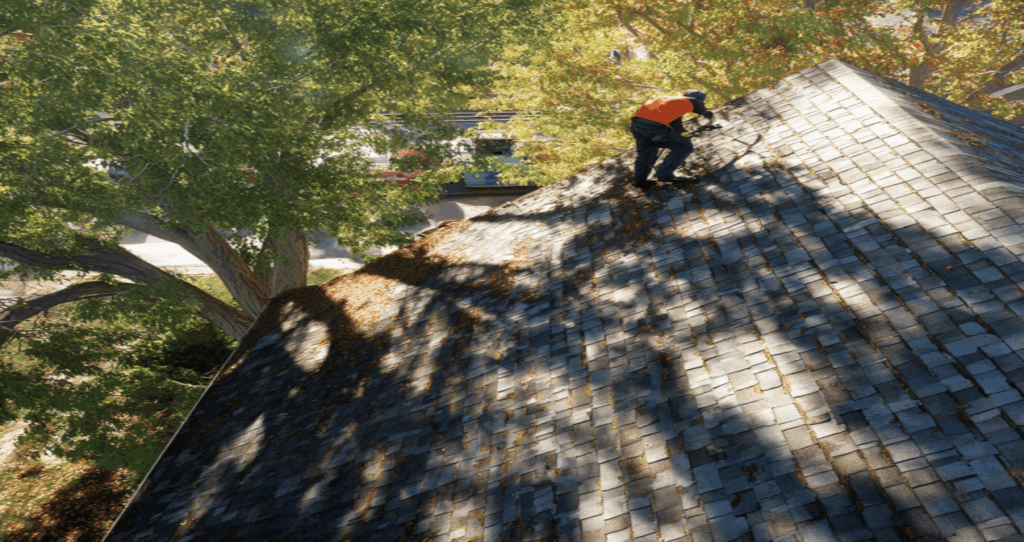
Most homeowners don’t notice roof mold until it’s well established. A professional inspection can spot early signs—especially on shaded slopes or valleys where mold starts first.
A Closer Look at Materials and Mold Resistance in Delaware Weather
Roofing Materials and Their Mold Resistance
| Material | Mold Resistance | Notes |
| Architectural shingles | Moderate–High | Strong option when paired with proper ventilation |
| Metal roofing | Excellent | Dries quickly and sheds moisture well |
| Cedar shakes | Low | Beautiful but needs steady maintenance |
| Flat roofing systems | Variable | Depends heavily on drainage and pitch |
Why Some Homes in Harrington Are More Prone to Mold
We see mold more often on roofs that:
- Have older attic insulation
- Sit beneath heavy tree cover
- Include flat or low-slope sections
- Have ventilation that isn’t balanced
Because mold is usually a side effect of moisture that has nowhere to go, roof design and ventilation play a big role.
How Grand Exteriors Helps Solve Mold Issues
Our inspections look at more than stains. We check the ventilation system, moisture patterns, gutter performance, and the condition of your shingles. From there, we provide a clear explanation of what’s happening and what your options are—always with a practical, no-pressure approach.
Mold Prevention and Roofing: Harrington Homeowner FAQs
When damp winters hit Delmarva, it’s normal for homeowners to start wondering about those dark streaks or patchy spots on their roofs. Below are clear, honest answers to some of the most common questions we get in Harrington about mold on roof shingles and how to prevent it.