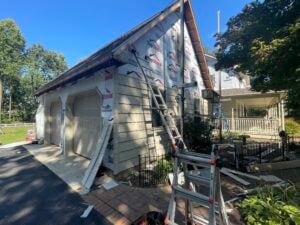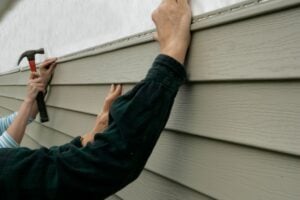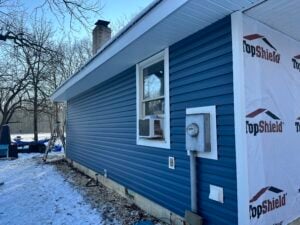

Siding repair is an important part of maintaining your home’s exterior and preventing small issues from turning into expensive problems. Knowing how to spot damage early and take the right steps can help extend the life of your siding and protect your home from moisture and structural issues. For homeowners in Milford and surrounding areas, staying ahead of siding problems is especially important due to changing weather conditions and seasonal exposure.
- Prevent bigger problems: Addressing minor damage early helps avoid more extensive repairs later.
- Protect your home: Proper siding repair helps prevent moisture from entering the structure.
- Save money over time: Routine maintenance and timely repairs reduce long term costs.
Why Siding Repairs Should Never Be Delayed
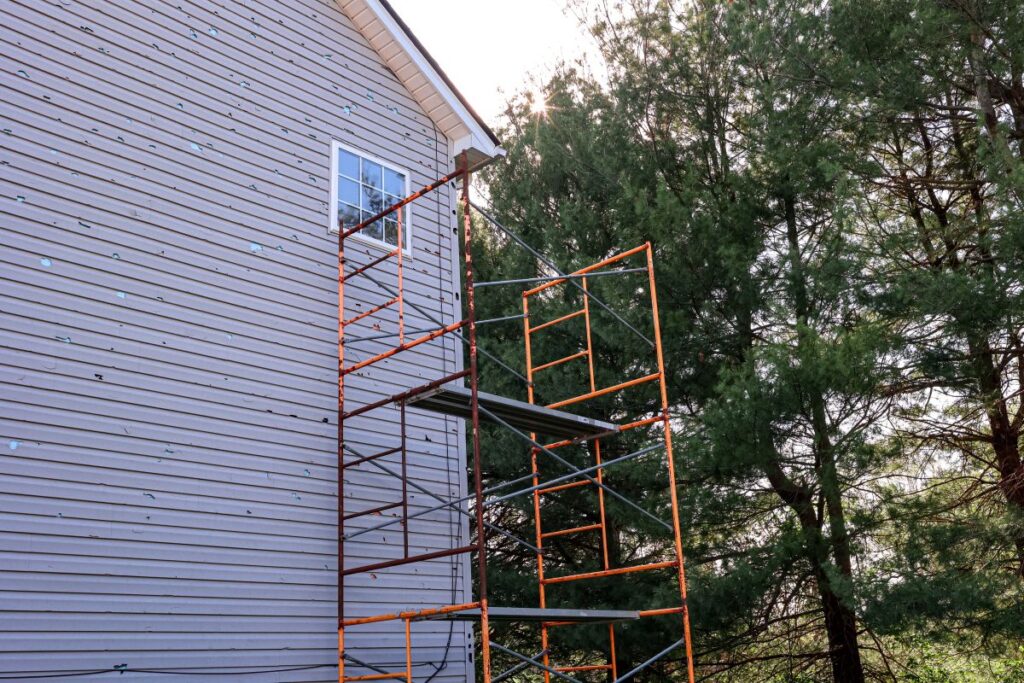
Your siding acts as a protective barrier against the elements. When it becomes damaged, even small issues can allow water to penetrate behind the exterior and cause hidden problems.
In areas like Milford and surrounding areas, homes are exposed to wind, rain, and temperature changes that can accelerate siding wear. Ignoring repairs can lead to structural damage, mold growth, and higher repair costs. Acting quickly helps maintain the integrity of your home and keeps your siding system functioning as intended.
7 Siding Repair Tips To Prevent Costly Damage
Taking a proactive approach to siding repair can help homeowners avoid larger issues and keep their exterior in good condition. Below are seven important tips to help guide your maintenance and repair decisions.
1. Inspect Your Siding Regularly
Routine inspections are one of the most effective ways to catch siding issues early. Small cracks, loose panels, or signs of wear can often be repaired before they become more serious.
- Visual checks: Look for cracks, gaps, or warping along the siding surface.
- Seasonal inspections: Check your siding after storms or extreme weather.
- Early detection: Identifying problems early makes repairs easier and less costly.
Regular inspections allow homeowners to stay ahead of potential problems and maintain their siding system.
2. Address Minor Damage Immediately
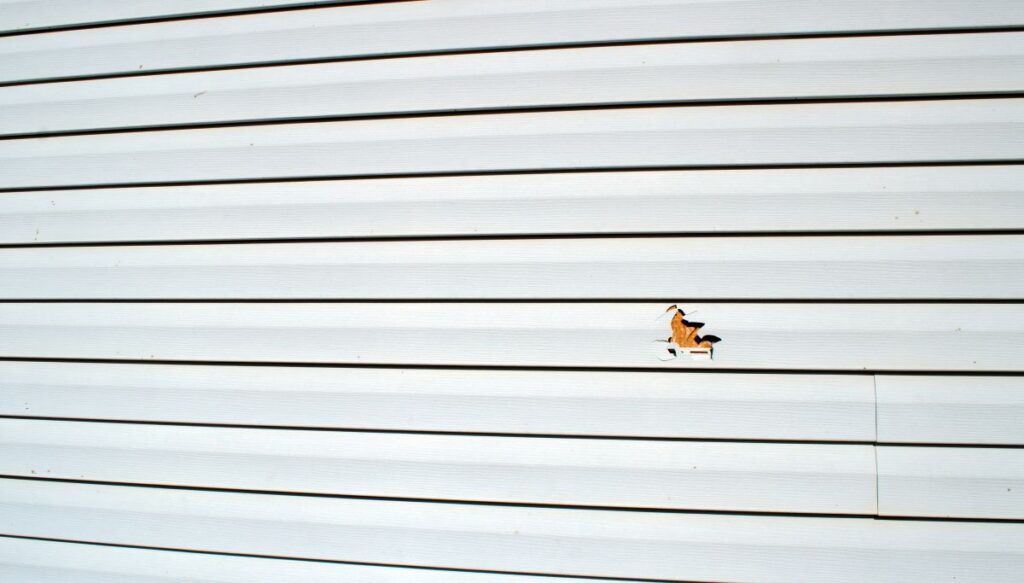
Small issues can quickly become larger problems if left untreated. Taking care of minor siding damage as soon as it appears helps prevent further deterioration.
- Crack repair: Small cracks can expand if exposed to moisture and temperature changes.
- Loose panels: Panels that are not secured properly can shift or fall off.
- Prevent escalation: Quick repairs help avoid more extensive damage later.
Prompt action helps preserve the condition of your siding and reduces the risk of costly repairs.
3. Keep Siding Clean and Maintained
Dirt, debris, and organic growth can impact the appearance and condition of your siding over time. Regular cleaning helps maintain both performance and curb appeal.
- Surface cleaning: Remove dirt, mold, and mildew buildup from siding surfaces.
- Prevent buildup: Keeping siding clean reduces the risk of long term damage.
- Maintain appearance: Regular maintenance helps your home look well kept.
Proper cleaning also makes it easier to identify potential issues during inspections.
4. Check Seams, Joints, and Edges
Seams and joints are common areas where siding issues can develop. These points are more vulnerable to water intrusion and require close attention.
- Joint inspection: Check where panels meet for gaps or separation.
- Seal integrity: Ensure seals and connections remain intact.
- Water protection: Properly sealed joints help prevent moisture from entering the structure.
Monitoring these areas helps reduce the risk of hidden damage behind the siding.
5. Watch for Signs of Moisture Damage
Moisture is one of the most common causes of siding failure. Identifying signs of water intrusion early can help prevent structural damage.
- Staining or discoloration: Look for unusual marks on siding surfaces.
- Soft spots: Areas that feel soft may indicate underlying damage.
- Mold or mildew: Growth on siding can signal moisture problems.
Addressing moisture issues quickly is critical to protecting your home’s structure.
6. Repair or Replace Damaged Sections
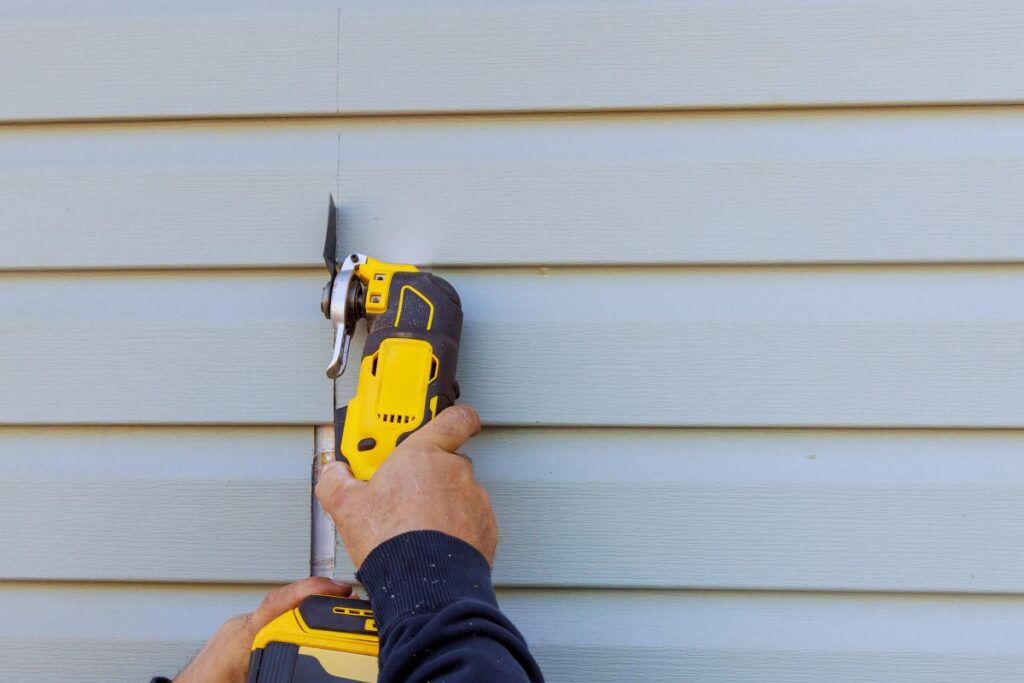
When siding becomes damaged beyond simple repair, replacing the affected sections may be necessary. This helps maintain the integrity of the overall system.
- Targeted repairs: Replace only the sections that are damaged when possible.
- Material matching: Use materials that match the existing siding.
- System consistency: Maintaining uniformity helps ensure proper performance.
Making the right repair decision helps extend the life of your siding system.
7. Work With a Professional When Needed
Some siding issues require professional experience to address properly. Working with a qualified contractor ensures repairs are completed correctly.
- Expert evaluation: Professionals can identify hidden or complex issues.
- Proper repairs: Skilled installation helps ensure long term performance.
- Peace of mind: Professional work reduces the risk of future problems.
When in doubt, it is always best to consult a professional to avoid costly mistakes.
Protect Your Home With Proper Siding Repair
Staying proactive with siding repair helps homeowners protect their property and avoid unnecessary expenses. Each step plays a role in maintaining the durability and performance of your siding system.
Grand Exteriors provides professional siding repair services for homeowners in Milford and surrounding areas. Our team responds quickly to siding issues and follows proven repair methods to restore your home’s protection. If you have noticed damage or want a professional evaluation, contact Grand Exteriors today to schedule a free consultation and estimate.