Choosing between roof types in 2026 is one of the most consequential decisions a homeowner makes, since the right material and shape combination determines energy costs, storm resilience, and resale value for the next 20 to 50 years. Asphalt shingles, metal panels, slate, tile, and synthetic composites each bring different strengths to the table, and each pairs differently with gable, hip, mansard, gambrel, and flat roof shapes—these are among the most common roof types and styles used in residential construction. This guide breaks down the five most popular roofing materials and their key advantages, plus a clear look at how roof shapes, roof styles, and roof design considerations affect performance in Bethany and surrounding areas. Homeowners will gain a better understanding of different roof shapes and how roof design influences both aesthetics and functionality.
- Material and design comparisons: Roofing is generally categorized by design (roof styles and shapes) and material. Cost ranges, lifespans, and weather performance for the five most common roofing materials.
- Shape considerations: How gable, hip, and other roof shapes affect drainage, wind resistance, and aesthetics.
- 2026 buying guidance: Updated pricing, code changes, and material innovations homeowners should know about this year.
What Are the Most Common Roof Types Used Today?
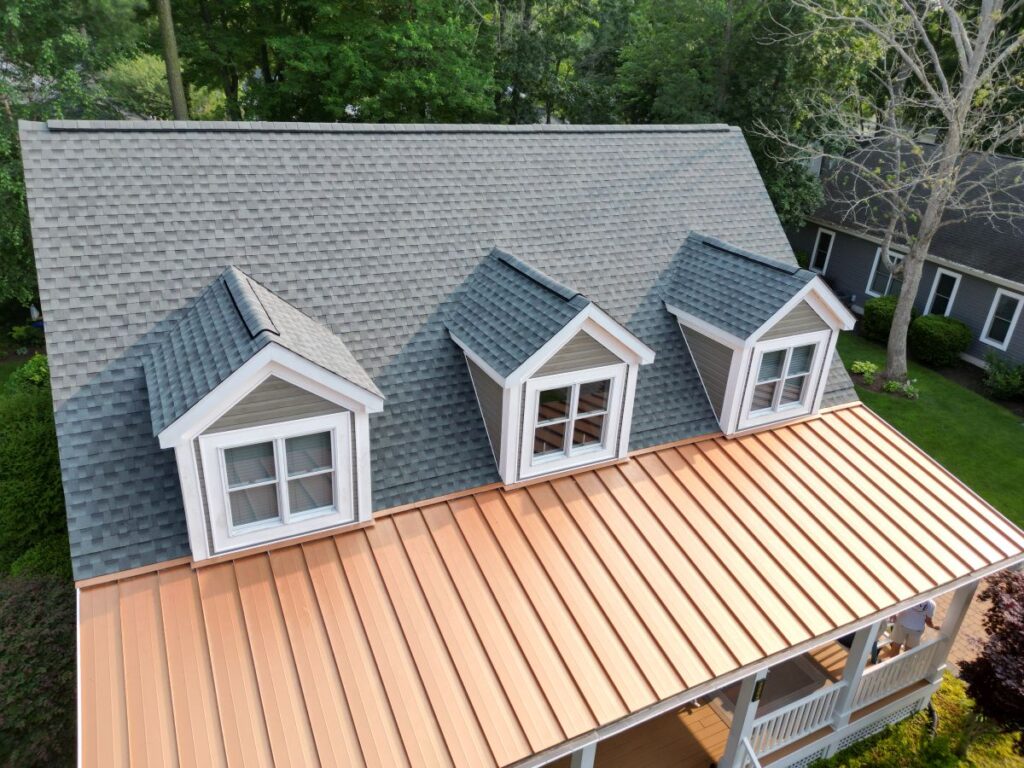
The most common roof types fall into two distinct categories: roofing materials and roof shapes. Material refers to what covers the roof (asphalt shingles, metal, slate), while shape refers to the structural form (gable, hip, flat), and both choices impact cost, durability, and curb appeal in roughly equal measure. Common shapes include gable, hip, and flat roofs, and each type of roof features unique roof slopes and design characteristics that affect drainage, structural stability, and installation.
The type of roofing material you choose will determine its lifespan, maintenance costs, aesthetic appeal, and environmental impact. When selecting roofing materials, homeowners should consider the roof shape, as different shapes may support particular materials better, influencing both performance and aesthetics.
Why Does Roof Type Matter So Much?
Roof type matters because it dictates roughly 40% of a home’s exterior aesthetic appeal and 100% of its weather protection performance. The material you choose determines how the roof handles UV exposure, wind uplift, hail impact, and ice accumulation, while the shape determines how water sheds, how attic space ventilates, and how snow loads distribute. In coastal Delaware, where wind ratings, salt air, and humidity all matter, the wrong combination can shorten a roof’s life by a decade or more and leave your home vulnerable to inclement weather. Asphalt shingles dominate U.S. residential construction with over 55% market share according to industry research, but that does not automatically make them the right choice for every home in Bethany and surrounding areas.
- Weather performance: Material grade and shape together determine wind, hail, and water resistance, as well as protection from inclement weather.
- Energy efficiency: Reflective materials and proper ventilation can cut cooling costs by 10 to 25%.
- Resale impact: A premium roof type can add 60 to 70% of its cost back to home value at resale.
- Insurance premiums: Class 4 impact rated roofs often qualify for 5 to 30% homeowner insurance discounts.
Choosing the right roofing material involves balancing cost, durability, and how well it handles local weather conditions.
5 Most Popular Roof Types in 2026
The five roof types below cover roughly 95% of residential installations across the United States, ranked by popularity and adoption. These represent the most common styles and roof slopes found in residential construction. Each entry covers material composition, lifespan, cost, and the homeowner profile that gets the best return on investment. Asphalt shingles are the most common roofing material in America due to their effectiveness in various environmental conditions and cost-effectiveness.
1. Asphalt Shingle Roofs
Asphalt shingle roofs are the most common roof type in America, accounting for over 55% of the residential roofing materials market in the most recent industry analysis. They consist of fiberglass mat coated with asphalt and topped with mineral granules, available in 3 tab, architectural, and luxury tiers. Architectural shingles are the standard recommendation for most Delaware homes because they balance cost, wind resistance, and lifespan effectively. Pricing typically runs $4 to $7 per square foot installed, with lifespans of 20 to 30 years and wind ratings up to 130 mph on premium GAF, CertainTeed, and Owens Corning lines.
- Cost range: $4 to $7 per square foot installed for most architectural lines.
- Lifespan: 20 to 30 years with proper installation and ventilation.
- Wind rating: Up to 130 mph on premium architectural and luxury tiers.
- Best for: Primary residences seeking proven performance at moderate cost.
2. Metal Roofs
Metal roofs are the fastest growing residential roof type and offer 40 to 70 year lifespans with minimal maintenance. Standing seam panels in steel, aluminum, copper, or zinc are the most popular configurations, while metal shingles styled to mimic slate or shake offer a more traditional appearance. Metal handles wind exceptionally well, with most systems rated to 140 to 160 mph, and reflects solar heat to cut summer cooling costs by up to 25%. Metal roofs are also especially effective in areas with heavy snow, as their smooth surface allows snow to slide off easily, reducing the risk of snow buildup and related damage. The upfront cost is higher at $9 to $16 per square foot installed, but the longer lifespan and energy savings often produce a better lifetime cost than asphalt. In coastal Delaware, aluminum and zinc handle salt air better than steel, which can rust at coastal exposures within 20 years.
- Cost range: $9 to $16 per square foot installed depending on metal type and profile.
- Lifespan: 40 to 70 years with negligible maintenance.
- Energy savings: Reflective coatings cut cooling loads by 10 to 25% in summer.
- Best for: Long term homeowners and properties in high wind, heavy snow, or fire prone zones.
3. Slate Roofs
Slate roofs offer the longest service life of any common roofing material, with documented installations lasting 75 to 150 years or more. Natural slate is quarried stone cut into thin tiles, while synthetic slate uses engineered polymer composites to replicate the look at a fraction of the weight and cost. Synthetic or rubber slate is a lighter, often cheaper alternative to natural slate. The material is fireproof, completely waterproof, and immune to insects, mold, and UV degradation, which makes it the gold standard for historic preservation work. The tradeoffs are weight (slate requires reinforced framing) and cost, with installed pricing typically $15 to $30 per square foot for natural slate. Synthetic slate from manufacturers like DaVinci Roofscapes and EcoStar offers a middle ground at $9 to $14 per square foot.
- Cost range: $15 to $30 per square foot for natural slate, $9 to $14 for synthetic.
- Lifespan: 75 to 150 years for natural slate, 40 to 50 years for synthetic.
- Fire rating: Class A fire resistance, the highest available.
- Best for: Historic homes, custom builds, and forever home investments.
4. Clay and Concrete Tile Roofs
Clay and concrete tile roofs deliver exceptional longevity and a distinctive Mediterranean or Southwestern aesthetic. Clay tiles are kiln fired ceramic that can last 50 to 100 years, while concrete tiles offer similar performance at lower cost. Both materials handle extreme heat well and reflect solar radiation effectively, which is why they dominate roofing markets in Florida, California, and the Southwest. The weight of tile is significant, typically 600 to 1,100 pounds per square (100 square feet), so most homes need engineered framing to support a tile installation. Pricing runs $10 to $20 per square foot for clay and $8 to $15 for concrete, with strong wind ratings up to 150 mph when properly fastened.
- Cost range: $10 to $20 per square foot for clay, $8 to $15 for concrete.
- Lifespan: 50 to 100 years for clay, 40 to 75 years for concrete.
- Weight: 600 to 1,100 pounds per square requires engineered framing.
- Best for: Mediterranean, Spanish Colonial, and Mission style architecture.
5. Synthetic and Composite Roofs
Synthetic and composite roofs are the newest category in residential roofing and use engineered polymers, recycled rubber, or plastic blends to replicate the look of slate, shake, or tile. Brands like CertainTeed Symphony, DaVinci Roofscapes, and Brava Roof Tile lead this category and offer Class 4 impact resistance plus 50 year warranties. The lightweight construction (typically 200 to 350 pounds per square) means existing framing rarely needs reinforcement, which keeps installation costs reasonable at $9 to $14 per square foot. Synthetic options also resist algae, mildew, and freeze thaw damage better than many natural materials, making them increasingly popular in coastal Delaware where humidity and salt accelerate failure of organic materials.
- Cost range: $9 to $14 per square foot installed depending on style.
- Lifespan: 40 to 50 years with most carrying transferable warranties.
- Weight advantage: 200 to 350 pounds per square, no framing reinforcement needed.
- Best for: Homeowners wanting the look of slate or shake without the weight or cost.
What Roof Shapes Should You Consider?
Roof shapes are the structural geometry that determines how a roof sheds water, handles wind, and frames the home’s silhouette. Five shapes dominate residential construction, and each pairs differently with the materials above to produce specific performance and cost outcomes.
What Is a Gable Roof?
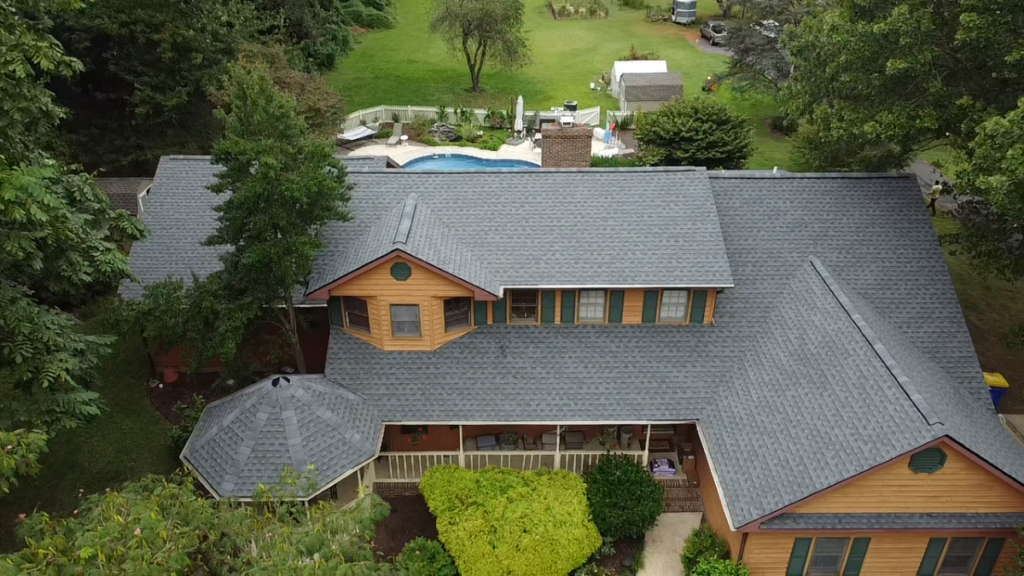
A gable roof is the most common roof shape in America, featuring two sloped sides meeting at a central ridge to form a triangular gable end on each side of the home. Gable roofs are inexpensive to frame, shed water and snow efficiently, and provide excellent attic ventilation through ridge and soffit vents. The downside is wind vulnerability, since the flat gable ends catch high wind like sails and can suffer significant damage in hurricane force events without proper bracing. They pair best with asphalt shingles, metal, and synthetic materials, and represent the budget friendly default for new construction across Bethany and surrounding areas.
- Wind vulnerability: Flat gable ends require hurricane bracing in coastal zones.
- Drainage: Steep slopes shed water and snow effectively.
- Cost: Lowest framing cost of any common roof shape.
- Best pairings: Asphalt shingles, metal panels, and synthetic composites.
What Is a Hip Roof?
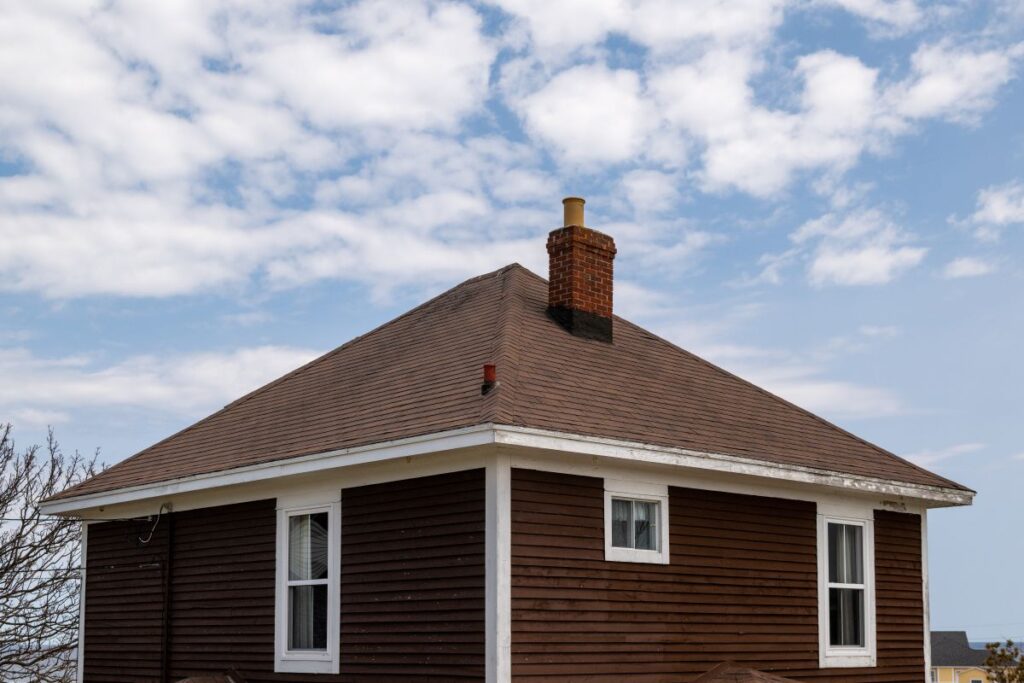
A hip roof has slopes on all four sides that meet at a central ridge, producing a pyramid like silhouette without any flat vertical gable ends. This geometry makes hip roofs significantly more wind resistant than gable roofs, which is why coastal building codes from Florida to Maine often favor or require them in high wind zones. Hip roofs cost roughly 10 to 20% more to frame because of the additional rafters and complex valley details, but the wind performance and curb appeal often justify the premium. They pair well with every roofing material but particularly shine with metal, slate, and tile installations where the clean geometry shows off premium materials.
- Wind resistance: Significantly stronger than gable roofs in hurricane force events.
- Cost: 10 to 20% higher framing cost than equivalent gable construction.
- Aesthetic: Clean four sided geometry suits traditional and Mediterranean styles.
- Best pairings: Metal, slate, tile, and high end architectural shingles.
What Are Mansard, Gambrel, and Flat Roof Shapes?
Mansard, gambrel, and flat roofs are among the most common roof shapes, each supporting different architectural goals and home designs. The mansard roof (also called a French roof) originated in France and features a unique four-sided design with two slopes on each side—the lower slope is nearly vertical, while the upper is much shallower. This double-slope structure maximizes interior living space, often allowing for a full extra floor or more usable space in the upper floor, and frequently includes dormers to bring in natural light. While the mansard roof offers significant aesthetic appeal and space efficiency, it is expensive to construct due to complex framing and requires specialized drainage to manage water on its low slope sections.
The gambrel roof, commonly known as a barn roof, has two slopes on each side—a steep lower slope and a shallower upper slope—providing more room and usable attic space in the upper floor. This common style is iconic for barns and Dutch Colonial homes, but it is less suitable for areas with heavy snow or high winds due to its roof design.
The Dutch gable roof is a hybrid of gable and hip roofs, combining the aesthetic appeal and attic space of a gable with the stability and water drainage benefits of a hip roof. Its historical origins and structural complexity make it a versatile choice for various home designs.
A half hipped roof (also called a jerkinhead or clipped gable) is a gable roof with a small hipped section at the top of each gable, offering a unique look, improved wind resistance, and historical popularity in Revival-style architecture.
The monitor roof is a barn-style roof with a raised central section, allowing natural light to enter through the side walls and adding visual interest to the roof design.
A dormer roof features one or more dormers—small structures projecting from the roof with windows—which add space and natural light to upper floors, enhancing both the functionality and aesthetic appeal of traditional and colonial home designs.
The butterfly roof (also known as an inverted gable roof or V roof) is a modern design with two roof planes sloping inward, resembling butterfly wings. This roof style increases natural light, supports water collection for eco-friendly purposes, and requires a specialized drainage system due to its unique shape.
Shed roofs (or lean-to roofs) are characterized by a single slope, making them simple to construct and effective for water drainage. They are popular in modern architecture and home additions, and their design allows for unique window placement and integration into different roof styles.
Flat roofs and low slope roofs have a slight pitch (typically less than 5%) and are ideal for solar panels or patios. However, they are particularly vulnerable to leaks and require thorough waterproofing and regular maintenance to ensure proper water drainage and watertightness.
Green roofs are environmentally friendly roof styles that support plant growth, improve air quality by filtering pollutants, reduce water runoff, and provide insulation, making them a sustainable choice for urban environments.
A bonnet roof features flared or kicked-out eaves, resembling the brim of a bonnet hat, and serves both decorative and protective roles. It is often found in French vernacular architecture and can be part of a combination roof design.
Sawtooth roofs are an industrial design with multiple ridges resembling teeth, originally used in factories to maximize natural light and create high ceilings. While they offer a unique appearance, they can be costly and prone to leaks in residential applications.
A curved roof has an upside-down U or barrel shape, offering a distinctive aesthetic and presenting construction challenges, often used in specialized or recreational buildings.
The slope of a roof (roof slopes), the sloping sides, and the design of the lower portion or lower roof are crucial for effective water drainage and overall roof performance. Different roof shapes and roof styles—such as gable, hip, shed, and butterfly—impact the aesthetic appeal, functionality, and suitability for specific home designs. Some roof types, like green roofs and butterfly roofs, are environmentally friendly and can improve air quality. When selecting a roof type, consider factors such as heavy snow, water runoff, and the compatibility of roofing materials with the chosen roof design to ensure durability and performance.
How Do You Choose the Right Roof Type?
Choosing the right roof type comes down to four factors: budget, climate, architectural style, and how long you plan to own the home. Most homeowners prioritize one or two of these factors, and the best contractors help weigh the tradeoffs honestly rather than steering toward whatever they install most often.
What Should You Ask Before Deciding?
Several questions help homeowners narrow their roof type options before getting estimates. Start with how long you plan to own the home, since premium materials like metal, slate, and tile only pay back over 20 plus years of ownership. Then consider the local climate, particularly wind ratings, snow load expectations, and salt air exposure for coastal Delaware properties. Architectural style matters next, since some materials simply look wrong on certain home styles regardless of performance. Finally, factor in HOA restrictions, local code requirements, and any insurance discounts available for impact rated materials.
- Ownership timeline: Premium materials require long ownership to recover the upfront premium.
- Climate factors: Wind, snow, hail, and salt air all influence material durability.
- Architectural fit: The roof should match the home style, not fight it.
- Insurance and code: Class 4 ratings, HOA rules, and local codes can narrow your options.
Frequently Asked Questions
What Is the Most Affordable Roof Type?
3 tab asphalt shingles are the most affordable roof type at $3 to $5 per square foot installed, but architectural asphalt shingles deliver significantly better lifetime value at $4 to $7 per square foot. Most reputable Delaware contractors recommend skipping 3 tab in favor of architectural for any primary residence due to the wind rating difference.
What Is the Longest Lasting Roof Type?
Slate is the longest lasting roof type, with natural slate documented to last 75 to 150 years on properly framed homes. Clay tile, copper metal, and zinc metal also routinely exceed 100 year service lives, while asphalt shingles typically max out at 30 years.
Which Roof Type Is Best for Coastal Delaware?
Architectural asphalt shingles, aluminum standing seam metal, and synthetic slate are the three best roof types for coastal Delaware homes. Each handles salt air, humidity, and wind effectively, and each pairs well with the gable and hip roof shapes that dominate residential construction in Bethany and surrounding areas.
Can I Mix Roof Types on One House?
Mixing roof types on one home is possible but should only be done deliberately for architectural effect. Common combinations include a flat roof porch with a sloped main roof, or a metal accent roof over an entryway on an asphalt shingle home. Mixed installations require careful flashing details to prevent leaks at the transitions.
How Does Roof Shape Affect Insurance Costs?
Roof shape directly affects insurance costs, with hip roofs typically qualifying for 5 to 20% wind mitigation discounts compared to gable roofs in coastal markets. Many insurers also discount Class 4 impact rated materials regardless of shape, with savings stacking when both factors apply.
Are Cool Roof Materials Worth the Premium?
Cool roof materials with high solar reflectance can cut summer cooling costs by 10 to 25% in hot climates. The premium typically runs 5 to 15% over standard versions of the same material, which usually pays back within 5 to 10 years through lower utility bills.
Why Grand Exteriors Is the Right Choice for Your New Roof in 2026
Grand Exteriors brings the gold standard to every conversation about roof types across Bethany and surrounding areas, combining GAF Master Elite certification with honest guidance about which materials and shapes actually fit your home, climate, and budget. As a family owned and operated company, we have installed every common roof type in Delaware and know exactly which combinations deliver the best lifetime value for coastal homeowners.
From emergency repairs and full insurance claims assistance to flexible financing and ongoing maintenance program coverage, we make sure homeowners get clear answers and quality work that lasts decades. If you are weighing roof types for a new build or replacement in 2026, contact Grand Exteriors today for a free estimate and a no pressure conversation about which roof type fits your home best.