
6 Key Parts Of A Roof All Homeowners Should Know
The parts of a roof work together as a complete system designed to protect your home from rain, wind, and changing weather conditions. Understanding these essential roofing components helps homeowners identify potential issues early and make informed decisions about maintenance or repairs. For homeowners in Rehoboth Beach and surrounding areas, roofs must also withstand coastal weather patterns that can increase wear over time.
- Better maintenance awareness: Understanding roofing components helps homeowners recognize early warning signs before minor issues become costly repairs.
- More informed decisions: Knowing roofing terminology makes it easier to understand inspection reports and contractor recommendations.
- Long term home protection: A well maintained roofing system helps prevent water damage and protects the structural integrity of the home.
Why Homeowners Should Understand Roof Components
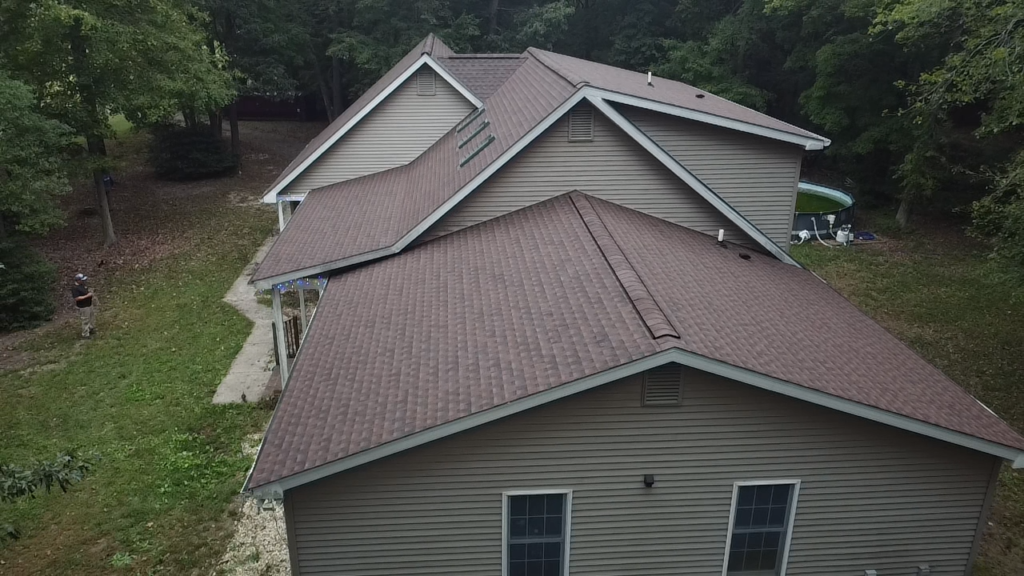
Most homeowners rarely think about their roof until a visible problem appears. However, a roof is made up of several interconnected components that all play a role in protecting the structure beneath it.
Learning the basic parts of a roof helps homeowners better understand how their roofing system functions and what signs might indicate potential problems. In areas like Rehoboth Beach and surrounding areas, roofs often face strong winds, seasonal storms, and coastal moisture. Understanding the purpose of each component can help homeowners respond quickly if damage occurs.
6 Key Parts Of A Roof
A roofing system contains several important structural and protective layers. Each part works together to keep moisture out and maintain the durability of the home.
1. Roof Decking
Roof decking forms the structural foundation of the entire roofing system. This layer is typically made from plywood or oriented strand board and attaches directly to the roof framing. All other roofing materials are installed on top of this base layer, which means its strength and stability are essential for the performance of the entire roof.
- Structural support: Roof decking provides the base that supports shingles, underlayment, and other roofing components.
- Material construction: Decking is commonly made from plywood or oriented strand board designed for structural strength.
- Damage risks: Moisture intrusion or long term wear can weaken decking and lead to sagging areas on the roof.
2. Roof Underlayment
Underlayment is a protective layer installed between the roof decking and the outer roofing material. This barrier helps protect the roof structure if shingles become damaged or displaced during storms.
- Moisture protection: Underlayment helps prevent water from reaching the roof decking beneath the shingles.
- Storm defense: Wind driven rain can penetrate damaged shingles, and underlayment provides an extra layer of protection.
- Improved durability: High quality underlayment helps extend the lifespan of the roofing system.
3. Roof Shingles
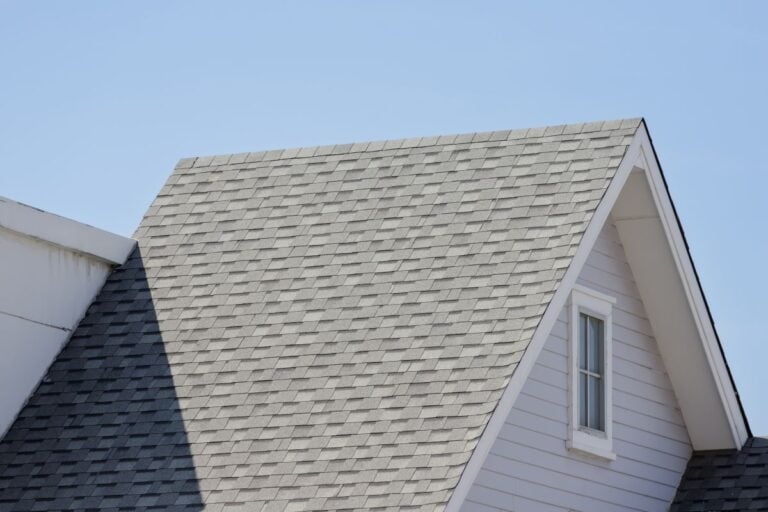
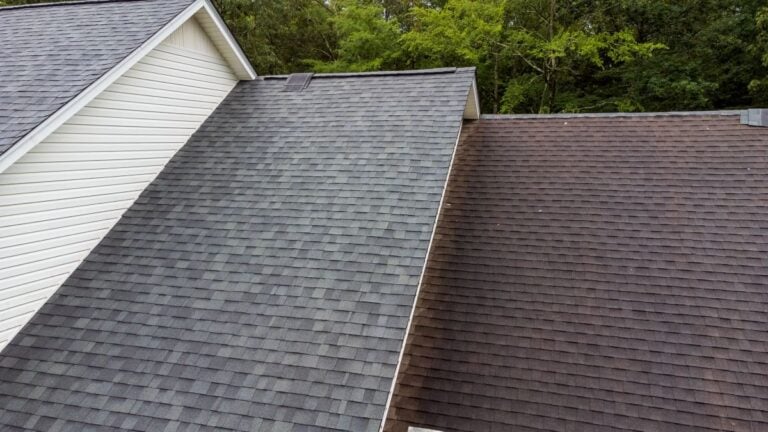
Shingles are the visible outer layer of most residential roofing systems and serve as the primary barrier against weather exposure. Asphalt shingles remain one of the most widely used materials due to their durability and affordability.
- Weather protection: Shingles help direct water away from the roof surface and prevent moisture intrusion.
- Material variety: Asphalt shingles are popular due to durability and cost effectiveness.
- Installation importance: Proper installation ensures shingles perform as intended and resist wind damage.
4. Roof Flashing
Flashing is typically made from metal and installed around areas where the roof meets other structures or changes direction. These areas include chimneys, skylights, vents, and roof valleys.
- Leak prevention: Flashing helps seal gaps where water could enter the home.
- Critical roof intersections: Flashing is commonly installed around chimneys, skylights, and ventilation pipes.
- Water direction: Proper flashing directs water away from vulnerable roof joints.
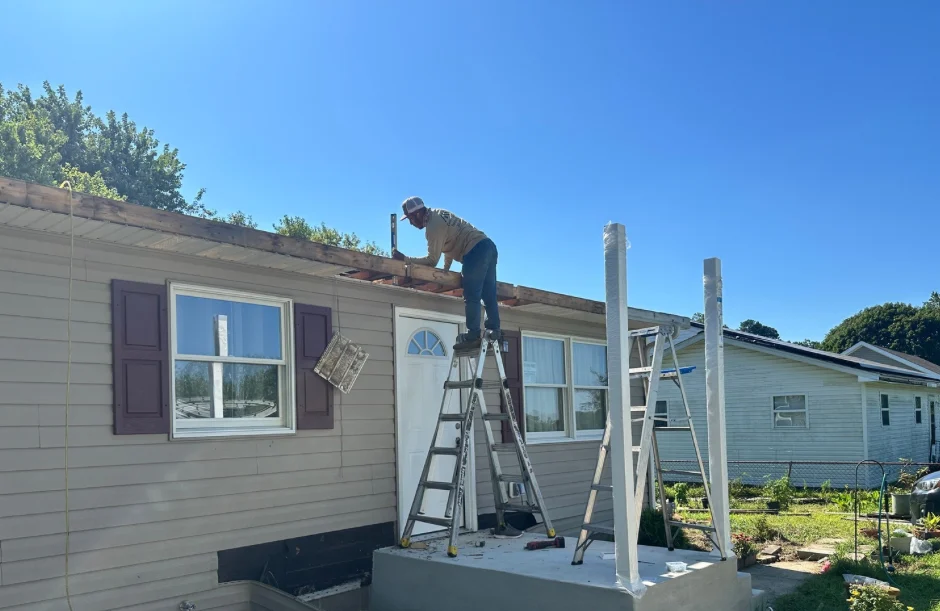
5. Roof Ventilation
Roof ventilation allows air to circulate through the attic space and roofing structure. Proper airflow helps control temperature levels and moisture buildup within the attic.
- Temperature control: Ventilation helps regulate attic temperatures during warmer months.
- Moisture reduction: Proper airflow prevents condensation that could damage insulation or roofing materials.
- Roof lifespan: Balanced ventilation helps maintain the performance and longevity of the roofing system.
6. Drip Edge
Drip edge is a metal flashing installed along the edges of the roof where the shingles meet the roofline. This component helps guide water away from the roof structure and into the gutter system.
- Water control: Drip edge directs rainwater into the gutter rather than underneath roofing materials.
- Decking protection: This component helps prevent water from reaching the exposed edges of roof decking.
- Improved drainage: Proper drip edge installation improves the overall water management of the roof.
The Importance Of Professional Roof Inspections
Even when homeowners understand the parts of a roof, it can still be difficult to identify hidden damage or early warning signs. Roofing materials naturally wear down over time due to sunlight exposure, rain, and seasonal weather patterns.
Regular inspections allow roofing professionals to evaluate each component of the roofing system and identify potential issues before they become major repairs. Contractors often check shingles, flashing, underlayment, and structural elements during inspections to ensure the entire system continues functioning properly.
Homeowners in Rehoboth Beach and surrounding areas often schedule inspections after major storms to confirm their roofs remain in good condition. Early detection of damage can help prevent more serious structural issues and extend the lifespan of the roofing system.
Keep Every Part of Your Roof Strong
Understanding the parts of a roof helps homeowners recognize how each component contributes to protecting their home. From the structural support of the roof decking to the protective role of shingles and flashing, every element plays an important role in the performance of the roofing system.
Grand Exteriors provides professional roofing inspections, repairs, and replacements for homeowners in Rehoboth Beach and surrounding areas. Our experienced team understands how every part of a roofing system works together to protect your home. If you want to ensure your roof remains in strong condition, contact Grand Exteriors today to schedule a free roof inspection and estimate.

Recent Articles