

Best Gutter Guards for Delaware Homes (Compare 6 Options)
Nothing tests a home’s exterior quite like a Delaware autumn, when oak and maple leaves settle onto rooflines and pack into the channels meant to carry rainwater safely to the ground. Left unprotected, that debris accumulation turns a simple system into a source of overflow, ice buildup, and foundation trouble. That’s why so many homeowners search for the best gutter guards before the season turns and decide to install gutter guards ahead of the first big storm. Grand Exteriors sees this every year across Milford and surrounding areas, and this guide breaks down the gutter guard style options worth comparing before you commit to keeping the system that carries water away from your roofline clear.
Here’s a quick look at what’s ahead:
- The real cost of skipping gutter protection
- Six gutter guard types and how they compare
- Gutter guard materials and what to check before buying
- DIY gutter guard installation versus professionally installed gutter guards
- Answers to the most common gutter guard questions
Why Gutter Protection Matters for Delaware Homes
Delaware’s mix of coastal storms, dense tree cover, and humid summers puts real strain on a home’s exterior every year. A clogged system does not just mean an extra chore, it can quietly cause damage that costs far more than the guards themselves.
- Foundation protection. A 2025 survey from LeafFilter found that 4 in 10 homeowners have experienced home damage tied to clogged or poorly maintained gutters, and HomeAdvisor puts the average cracked foundation repair cost at just under $4,000.
- Fewer ladder trips. According to a recent survey by This Old House, 43% of gutter guard owners no longer clean their gutters at all, and most reported a noticeable drop in overall cleaning frequency.
- Fewer pests around the roofline. Standing water in a clogged, open gutter creates a breeding ground for mosquitoes, which the EPA flags as a public health concern due to the diseases they can spread.
- Better ice season resilience. When debris blocks a gutter through the fall, melting snow has nowhere to drain in January and February, which raises the risk of ice damming along the fascia, especially during high winds that drive wet leaves and other debris into the corners of an entire gutter system.
None of these risks require a major storm to show up, they build slowly with every clogged season that goes unaddressed. Choosing the right guard system now is far cheaper than repairing a foundation or fascia board later.
6 Gutter Guard Options Worth Comparing
Not all gutter guards work the same way, and picking the right one depends on the trees around your home, your local climate, and how hands off you want maintenance to be. Below are six of the most common options homeowners across Delaware ask about, including a few that many people simply search for by name, like leaf guard systems or the well known Gutter Helmet product line.
1. Micromesh Guards
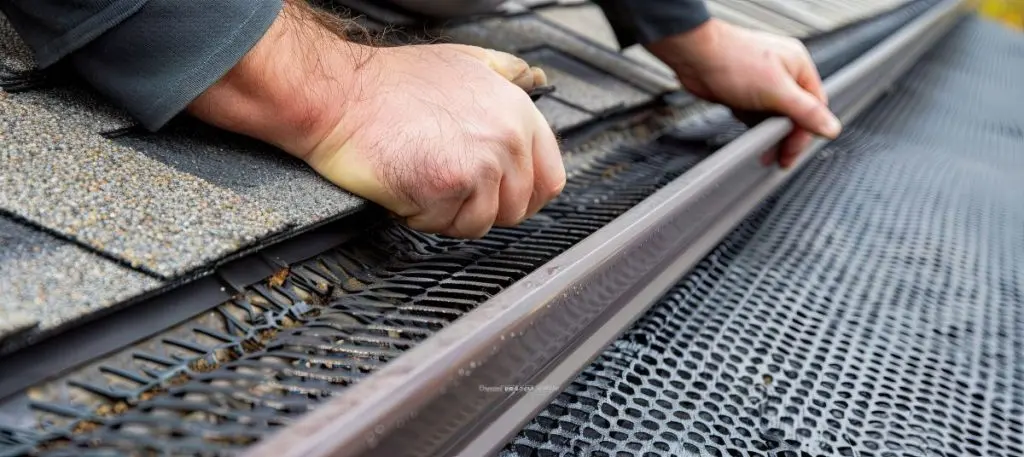
Micromesh guards use a fine woven stainless steel mesh, sometimes paired with a plastic mesh frame, that sits over the gutter opening and blocks even small particles like pine needles and roof grit. Stainless steel micromesh in particular is prized for resisting rust in Delaware’s humid, salty coastal air, and independent industry data shows high quality stainless steel micromesh guards can last 20 years or more when installed properly.
- Best for homes surrounded by pine trees or fine seasonal debris
- Generally priced higher per linear foot than most other gutter guards
- Usually backed by strong manufacturer warranties
2. Reverse Curve Guards
Also called surface tension guards, this style covers the entire gutter and uses a curved nose that pulls water around the edge and into the gutter while leaves and other debris fall off the front. They handle heavy rain well and let water flow freely, but the installation method requires a precise angle to work correctly.
- Works well in high rainfall conditions and half round gutters as well as standard K style profiles
- Requires professional installation to set the curve angle correctly
- Less effective against very small debris like seed pods or shingle grit
3. Screen and Mesh Guards
These are a step down from micromesh in terms of filtration, using a wider mesh screen or a perforated panel with small holes that snaps or screws onto existing gutter hangers. They are one of the most common gutter guards features on the market because they are affordable and easy to find at most home improvement stores.
- Affordable and widely available
- Larger drainage holes may allow small debris to slip through over time
- Simple installation on most standard section lengths of gutter
4. Foam Insert Guards
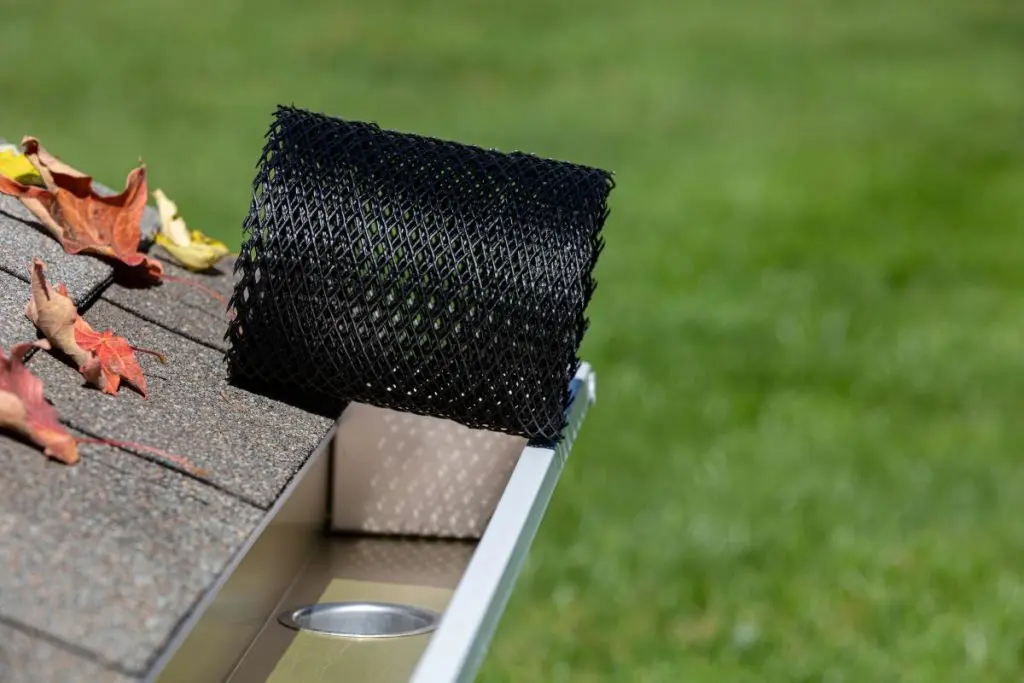
Foam guards are triangular inserts that fit directly inside the gutter channel, letting water pass through while blocking leaves and larger debris on top. They are among the best diy gutter guards for a homeowner who wants a same day project, though wet leaves and other organic matter can decompose on the surface if they are not cleared with a leaf blower or by hand each season.
- Low upfront cost and one of the easiest DIY options
- Can degrade or hold moisture over several seasons
- Best suited as a short term solution rather than a permanent fix
5. Brush Guards
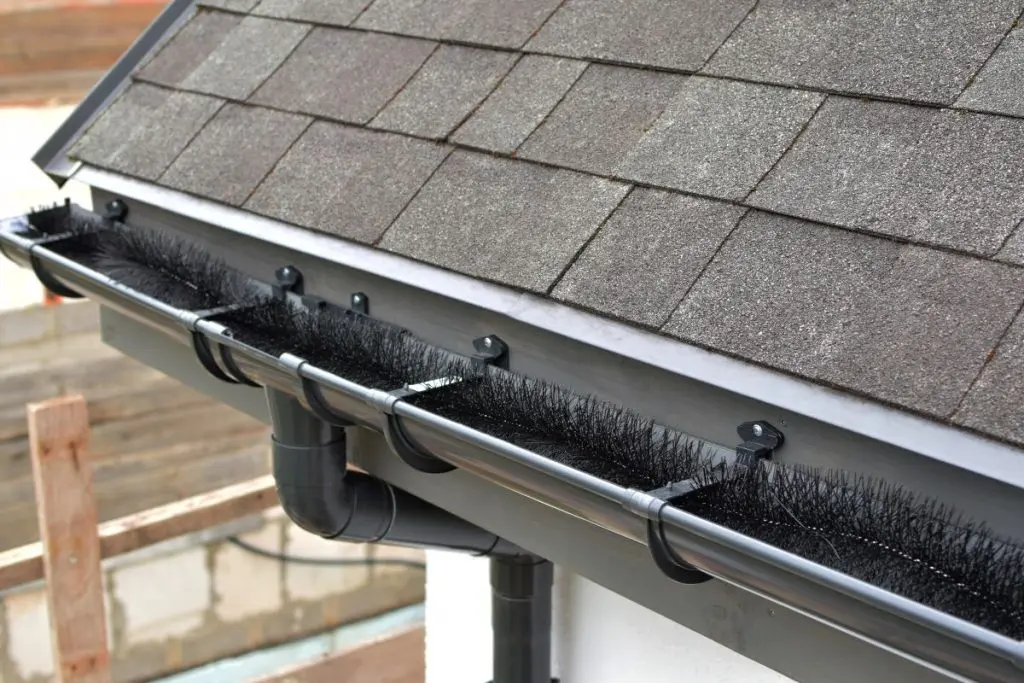
Shaped like a long cylindrical brush, this guard sits inside the gutter and catches debris in its bristles while water flows underneath and around them. Like foam inserts, brush guards block large leaves reasonably well but can allow smaller debris common to a wooded lot to settle in the bristles and decompose over time.
- Inexpensive and easy for a homeowner to place along the diy route
- Bristles can compress and lose effectiveness over time
- Best for light debris areas rather than heavy tree coverage
6. Perforated Aluminum Guards
These solid aluminum covers have small punched holes across the surface, offering a durable, low profile option that blends into the roofline while resisting rust and corrosion. Perforated aluminum guards are typically less expensive than premium micromesh guards, which makes them a popular middle ground for homeowners comparing gutter guard materials on a budget.
- Durable and resistant to weather damage
- Blends visually with the roofline
- May require more frequent clearing of debris sitting on the surface than micromesh
Each of these systems can perform well when it is matched correctly to a home’s roof pitch, tree coverage, and gutter size. The wrong match, on the other hand, often leads to the same clogging problems a guard was originally meant to solve, no matter how well the other gutter guards on the market are rated.
What to Look for Before You Choose a System
Picking a gutter guard is not just about price, it is about matching the product to the specific conditions around a home. A guard that performs beautifully in a wooded, heavily shaded yard might be overkill, or underpowered, on a different property just a few miles away, since most debris problems are tied directly to what is growing nearby.
Material and Durability
Aluminum and stainless steel guards generally outlast plastic mesh or foam options, especially in a coastal climate with salt air and temperature swings. Among common gutter guard materials, stainless steel mesh stands out for resisting rust and holding its shape, while a guard that warps, sags, or discolors within a couple of seasons ends up costing more in replacements than a sturdier option would have upfront.
Roof and Gutter Compatibility
Not every guard fits every gutter profile, and the wrong fit can create gaps where debris slips through or water overshoots the channel entirely. A quick inspection of the existing gutter hangers, section lengths, and roof pitch should always come before ordering a system online, and it matters just as much whether you have standard or half round gutters.
Warranty Coverage
A workmanship warranty on installation matters just as much as the manufacturer’s product warranty, and DIY guards typically lack any installation warranty at all since there is no professional crew standing behind the work. Homeowners should ask exactly what is covered, for how long, and whether the warranty transfers if the home is sold.
Taking a few extra minutes to weigh these factors against the specific conditions of a property in Bethany or a wooded lot near Dover can prevent a costly mismatch. It is far easier to get the choice right the first time than to tear off an underperforming system a year later.
DIY Gutter Guards vs a Professionally Installed System
Plenty of gutter guard options are marketed as simple do it yourself projects, and for a single story home with easy roof access and the essential tools on hand, that can be a reasonable path. The trade offs become more noticeable once a home has multiple stories, steep pitches, or a more complex roofline, since professional installation is generally safer for anyone working on high gutters.
| Factor | DIY Installation | Professional Installation |
| Upfront cost | Lower material cost | Higher, includes labor |
| Fit and sealing | Prone to gaps if measurements are off | Custom fit to the gutter and roofline |
| Safety | Ladder work on your own roof, higher risk near steep or high gutters | Trained crew with proper equipment and harnesses |
| Warranty | Usually product only | Often includes workmanship coverage |
| Long term maintenance requirements | Varies widely by product | More consistent, fewer callbacks |
For a smaller job with simple access, a motivated homeowner can absolutely handle a foam or brush guard installation over a weekend using basic essential tools. For most full home projects, though, a hassle free installation from a properly trained crew tends to hold up longer against Delaware’s local climate and causes fewer surprises down the road.
Frequently Asked Questions About the Best Gutter Guards for Delaware Homes
A few questions come up again and again when homeowners in Seaford and surrounding areas start comparing gutter guard options. Here are straightforward answers to the ones we hear most often.
Do gutter guards really block debris completely?
No system eliminates maintenance completely. Most gutter guards significantly reduce how often gutters need attention, but fine debris like shingle grit or seed pods can still accumulate on top of some designs over time, so an occasional pass with a leaf blower or a quick rinse keeps things flowing freely.
How much do gutter guards typically cost?
Cost varies by material and coverage, with basic foam or brush inserts running lower per linear foot and premium stainless steel micromesh systems running higher. The right choice depends on tree coverage, roof size, and how long you plan to stay in the home.
Can gutter guards be installed on an existing gutter system?
In most cases, yes. Guards are designed to attach to standard K style or half round gutter hangers, though a professional inspection helps confirm the existing gutters are in good enough condition to support the new guards.
Will gutter guards help with ice dams in the winter?
Keeping gutters clear through the fall reduces the standing water and debris that contribute to ice buildup along the roofline. Guards are one part of a broader approach that also includes proper attic insulation and ventilation.
How often should gutters still be checked after guards are installed?
Most systems benefit from a visual check once or twice a year, especially after major storms or heavy leaf drop. This is far less frequent than the multiple gutter cleaning visits a year an unprotected, open gutter typically needs.
Choosing between these systems does not have to be complicated once the specific needs of a home are clearly understood.
Protect Your Home With the Right Gutter Guard System
Clogged gutters are one of the most preventable causes of costly home damage, and the right guard system can spare a homeowner years of ladder climbing, foundation worry, and fascia repairs. Grand Exteriors has helped homeowners across Sussex County weigh these options honestly, without pushing a one size fits all solution that does not match the home. As a locally owned, GAF Master Elite company, we look at the whole picture, your roof, your trees, and your budget, before recommending a system built to last.
If you are ready to talk through the best gutter guard option for your home in Milford and surrounding areas, contact us today for a free inspection and honest, straightforward pricing.