
Residential Roof Installation Explained From Start To Finish
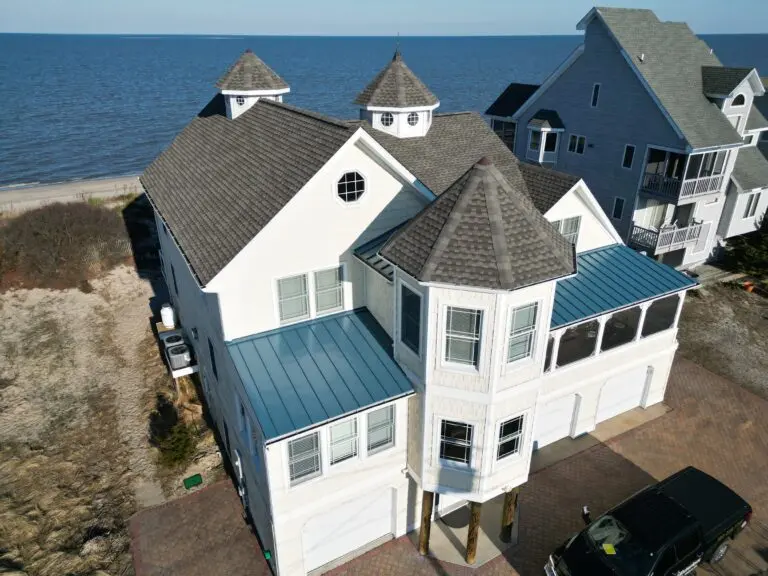
Residential roof installation is a detailed process that ensures a home receives dependable protection from rain, wind, and seasonal weather conditions. Understanding how a roofing system is installed helps homeowners feel more prepared when planning a roof replacement or new construction project. Homeowners in Lewes and surrounding areas often deal with coastal weather conditions that can place additional stress on roofing systems, which makes proper installation especially important.
- Clear expectations: Understanding the installation process helps homeowners know what to expect during a roofing project.
- Better communication: Familiarity with roofing steps makes it easier to discuss progress and timelines with roofing professionals.
- Long term home protection: Proper installation ensures the roofing system performs reliably for many years.
Why Proper Roof Installation Matters
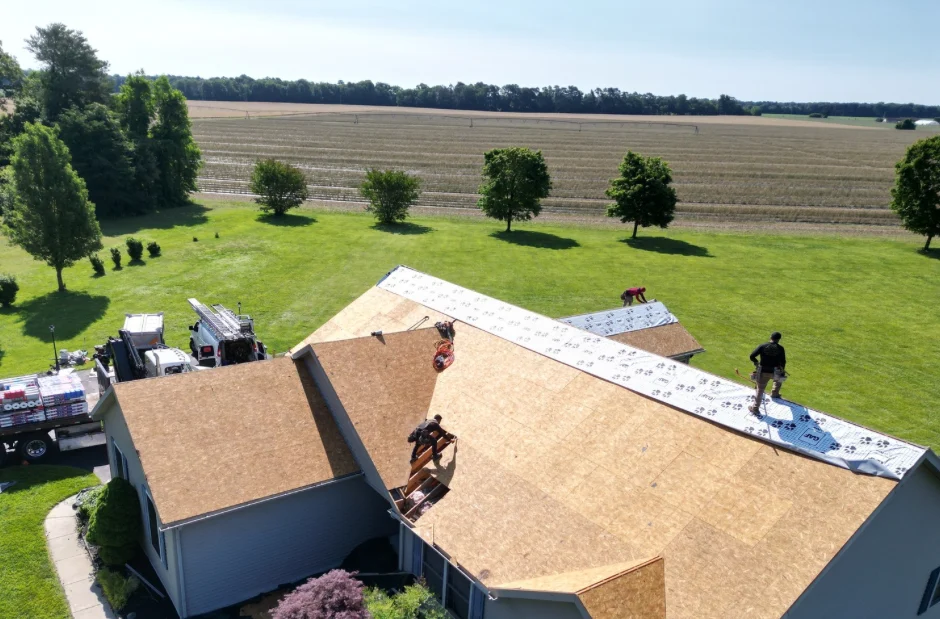
A residential roof is more than just shingles placed on top of a home. It is a complete system made up of multiple layers that work together to prevent water intrusion and protect the structure of the house.
When each part of the system is installed correctly, the roof can perform reliably for many years. In areas like Lewes and surrounding areas, roofing systems must also withstand heavy rain, coastal winds, and seasonal storms. Professional installation ensures every layer of the roof is secured and sealed properly so the home remains protected in changing weather conditions.
8 Steps Of Residential Roof Installation
Installing a new roof involves several important stages that prepare the structure, install protective materials, and complete the outer roofing surface. Each step of residential roof installation plays a role in creating a durable roofing system.
1. Initial Roof Inspection And Project Planning
Before installation begins, roofing contractors evaluate the condition of the existing roof and surrounding structure. This inspection helps determine the scope of the project and ensures that the home is ready for a new roofing system.
- Roof condition evaluation: Contractors inspect the current roof to identify damage, wear, or structural concerns.
- Project planning: Roofing professionals determine the materials, timeline, and installation approach for the project.
- Preparation for installation: Planning ensures that the roofing team arrives prepared with the necessary equipment and materials.
2. Removing Existing Roofing Materials
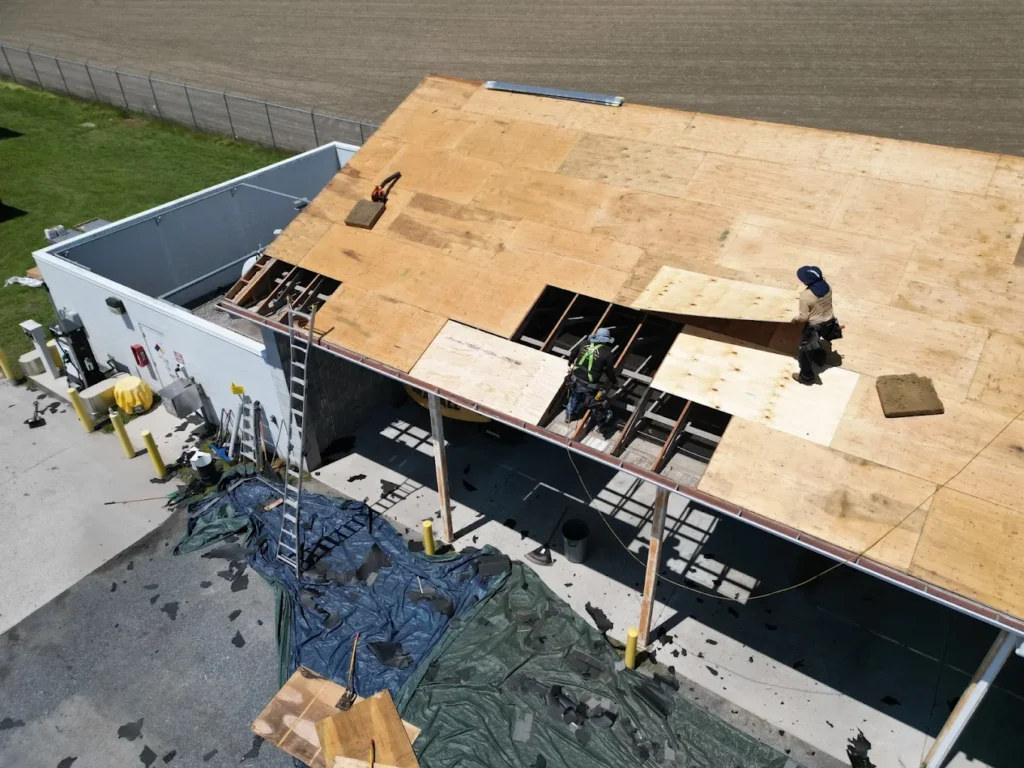
For roof replacement projects, the existing roofing materials must be removed before new components are installed. This step exposes the roof deck and allows contractors to inspect the structure beneath the old roof.
- Shingle removal: Old shingles and roofing materials are removed from the roof surface.
- Surface exposure: Removing existing materials reveals the roof deck for inspection.
- Clean working area: Clearing the roof creates a clean foundation for the new installation.
3. Roof Deck Inspection And Structural Repairs
Once the roof surface is cleared, contractors inspect the roof decking to ensure it remains structurally sound. The roof deck provides the base for the entire roofing system.
- Deck integrity check: Contractors evaluate the decking for signs of moisture damage or deterioration.
- Necessary repairs: Damaged sections of decking are replaced to restore structural strength.
- Solid foundation: A stable roof deck is essential for the performance of the roofing system.
4. Installing Protective Underlayment
Roof underlayment is installed across the roof deck to create a protective barrier beneath the shingles. This layer helps protect the structure from moisture if the outer roofing materials become damaged.
- Water resistance: Underlayment helps prevent water from reaching the roof deck.
- Storm protection: The layer adds protection against wind driven rain.
- System durability: High quality underlayment improves the longevity of the roof.
5. Flashing Installation Around Vulnerable Areas
Flashing is installed in areas where the roof meets vertical structures or changes direction. These intersections are more vulnerable to leaks and require extra protection.
- Leak prevention: Flashing helps seal areas where water could enter the roof.
- Common flashing locations: Flashing is typically installed around chimneys, skylights, and roof valleys.
- Water direction: Proper flashing directs water away from vulnerable joints.
6. Installing Roof Shingles
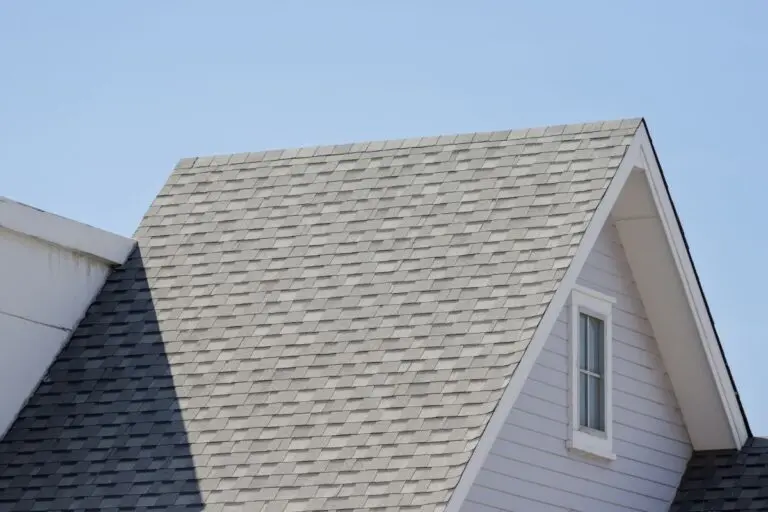
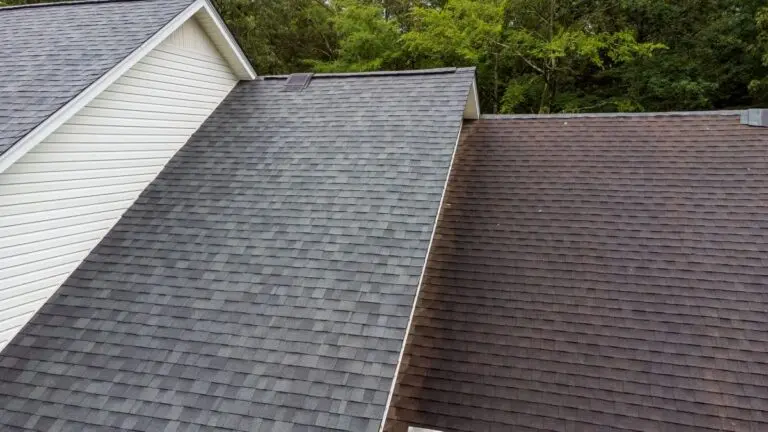
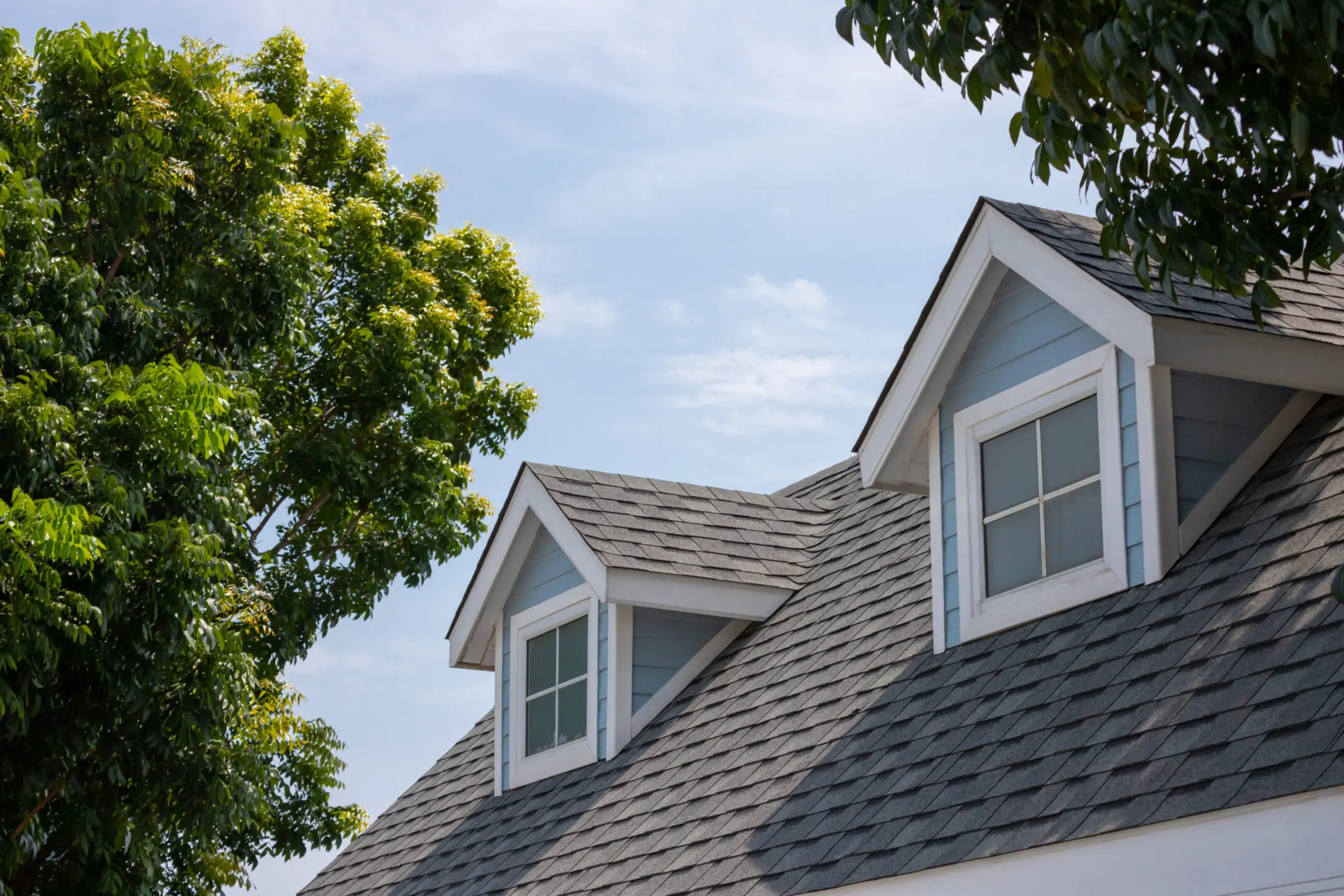
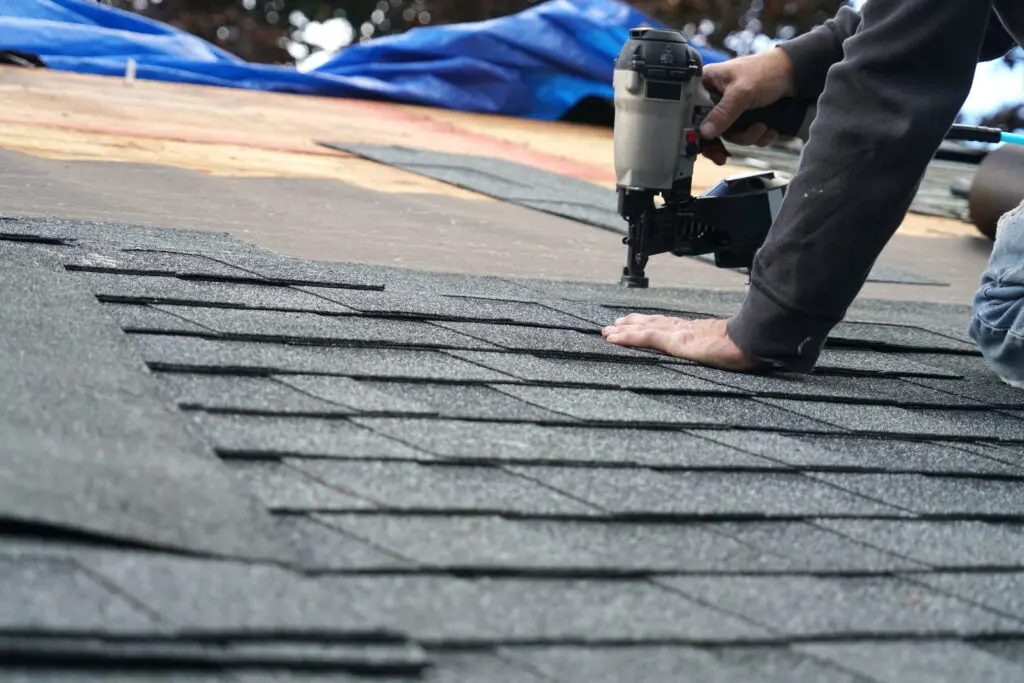
Shingles form the visible outer layer of most residential roofing systems. They serve as the primary barrier against weather exposure and help direct water away from the roof surface.
- Weather protection: Shingles shield the roof from rain, sunlight, and wind.
- Material durability: Asphalt shingles are widely used because they provide reliable protection.
- Proper fastening: Secure installation ensures shingles remain in place during storms.
7. Installing Roof Ventilation Components
Ventilation plays an important role in maintaining the health of the roofing system. Proper airflow helps regulate temperature and moisture levels inside the attic.
- Air circulation: Ventilation allows air to move through the attic space.
- Moisture management: Proper airflow reduces condensation buildup.
- Roof lifespan: Balanced ventilation helps extend the life of roofing materials.
8. Final Inspection And Site Cleanup
After installation is complete, roofing professionals conduct a final inspection to confirm the roof was installed correctly. Cleanup is also an important step to ensure the property is left in good condition.
- Quality inspection: Contractors review the entire roofing system to ensure all components were installed properly.
- Debris removal: Roofing crews remove leftover materials and construction debris.
- Project completion: The finished roof is confirmed ready to protect the home.
Protect Your Home With Professional Roof Installation
Understanding the residential roof installation process helps homeowners feel more confident when planning roofing projects. Each step plays an important role in ensuring the roof provides reliable protection and long lasting performance.
Grand Exteriors provides professional roofing services for homeowners in Lewes and surrounding areas. Our team has extensive experience installing roofing systems that are designed to perform reliably in changing weather conditions. If you are planning a roofing project or want to evaluate the condition of your roof, contact Grand Exteriors today to schedule a free roof inspection and estimate.