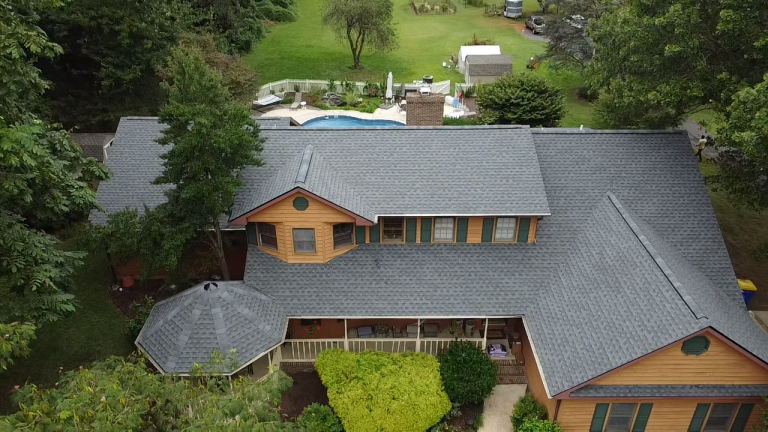


Metal Roof vs Shingles: What Homeowners Should Know (2026)
Deciding between a metal roof vs shingles is one of the biggest exterior decisions a homeowner will make, since the two materials differ by tens of thousands of dollars in upfront cost and by decades in expected lifespan. Both materials work well in coastal Delaware conditions, but each brings different strengths to the table when it comes to storm resistance, energy efficiency, and long term value. This guide walks homeowners in Dover and surrounding areas through the seven most important differences between metal and shingle roofs, real cost comparisons for 2026, and how to figure out which option actually fits your home.
- Head to head comparison: How metal and asphalt shingle roofs differ across cost, lifespan, and performance.
- Real 2026 numbers: Installed cost ranges, wind ratings, energy savings, and warranty terms for each option.
- Best fit guidance: Which option makes sense based on ownership timeline, home style, and Delaware climate exposure.
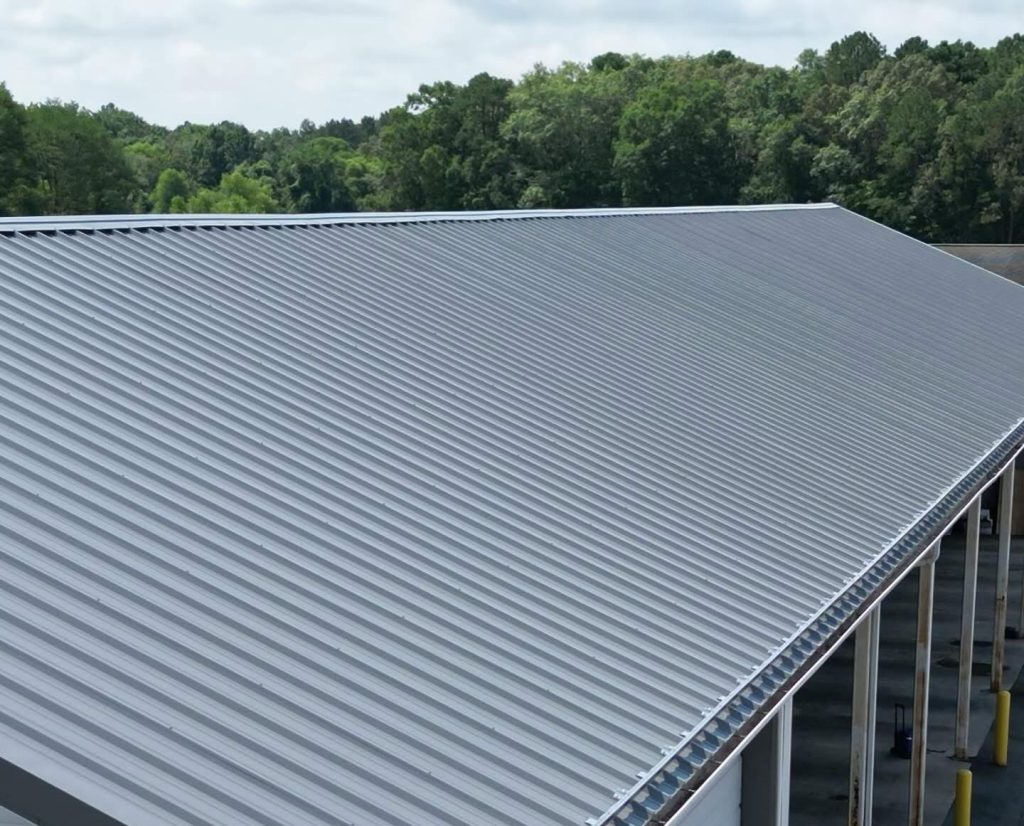
What Are the Main Differences Between Metal Roofs and Shingles?
Metal roofs and asphalt shingles differ in material, installation method, cost, lifespan, and performance under storm and heat exposure. Metal roofs use steel, aluminum, copper, or zinc panels or shingles designed for 40 to 70 year service lives, while asphalt shingles use fiberglass mat coated with asphalt and granules that typically last 20 to 30 years.
Why Both Materials Remain Popular in Delaware
Both metal and asphalt shingle roofs dominate certain segments of the Delaware residential market for different reasons. Asphalt shingles command over half of all residential installations because of their lower upfront cost, wide product range, and compatibility with virtually every architectural style. Metal roofing has grown steadily over the past decade as more homeowners recognize the longer lifespan, superior storm performance, and energy efficiency benefits that justify the higher initial investment. Coastal Delaware conditions like salt air, humidity, and nor’easter exposure influence which material makes sense for a specific home, which is why the two options fit different homeowners rather than one clearly beating the other across every measurement.
- Asphalt dominance: Over 55% share of the U.S. roofing materials market by revenue.
- Metal growth: Fastest growing residential roofing category in recent years.
- Different fit: Neither material universally wins; each suits different homes and timelines.
- Climate factor: Coastal Delaware conditions affect which material performs best long term.
7 Key Differences Between Metal Roof and Shingles
The seven differences below cover the most important factors homeowners should weigh when choosing between metal and asphalt shingles. Each difference has real dollar and lifespan implications that add up over the life of the roof.
1. Upfront Cost and Installed Pricing
Cost is the most obvious difference between metal roofs and asphalt shingles, and often the deciding factor for budget conscious homeowners. Asphalt shingle installations typically run $4 to $7 per square foot for architectural products in Delaware, meaning a typical 2,000 square foot roof costs $8,000 to $14,000 installed. Metal roofs range from $9 to $16 per square foot for standard steel and aluminum standing seam, reaching $30 to $50 per square foot for copper. The same 2,000 square foot home would cost $18,000 to $32,000 for standard metal, roughly double the asphalt price. Metal shingles designed to mimic slate or shake fall in the middle of the range at $10 to $14 per square foot installed.
- Asphalt cost: $4 to $7 per square foot installed for architectural shingles.
- Standard metal cost: $9 to $16 per square foot for steel and aluminum standing seam.
- Premium metal cost: $30 to $50 per square foot for copper.
- Metal shingles: $10 to $14 per square foot for stamped panels resembling slate or shake.
2. Lifespan and Service Life
Lifespan is where metal roofs pull decisively ahead of asphalt shingles. Architectural asphalt shingles typically last 20 to 30 years in Delaware conditions, while metal roofs commonly reach 40 to 70 years on steel systems and 50 to 100 plus years on aluminum and copper. That gap means most homeowners who install asphalt at age 40 will replace it once before retirement, while a metal roof installed at the same age will likely be the last roof the home ever needs. The longer service life spreads the higher upfront cost across significantly more years, which changes the total cost of ownership calculation substantially in favor of metal for long term homeowners.
- Asphalt lifespan: 20 to 30 years for architectural products.
- Steel metal lifespan: 40 to 70 years with proper installation and coating.
- Aluminum and copper lifespan: 50 to 100 plus years with minimal maintenance.
- Replacement math: Metal typically outlasts two full asphalt shingle cycles.
3. Wind and Storm Resistance
Wind and storm resistance matters enormously for coastal Delaware homes facing nor’easters and occasional hurricane force events. Architectural asphalt shingles carry wind ratings of 110 to 130 mph on premium GAF, CertainTeed, and Owens Corning lines, which handles most storm exposure homeowners will face. Metal roofing typically rates 140 to 160 mph on standing seam systems, with some products warranted up to 180 mph in coastal codes. Beyond the raw rating, metal panels are also less likely to lift, crack, or peel back in high wind compared to individual shingles, and hail damage rarely penetrates metal panels the way it can crack asphalt shingles. Both materials meet Delaware wind code requirements, but metal provides a meaningful margin for the most severe storm events.
- Asphalt wind rating: 110 to 130 mph on premium architectural products.
- Metal wind rating: 140 to 160 mph on most standing seam systems.
- Hail performance: Metal typically resists hail damage better than asphalt.
- Coastal code: Both materials meet Delaware code, but metal exceeds by wider margin.

4. Energy Efficiency and Cooling Costs
Energy efficiency is another area where metal roofs deliver measurable advantages over asphalt shingles, especially during hot Delaware summers. Metal reflects solar radiation instead of absorbing it, which keeps attic temperatures lower and reduces air conditioning loads meaningfully. According to the U.S. Department of Energy, conventional roofs can reach temperatures of 150°F or more on a sunny summer afternoon, while a reflective roof under the same conditions could stay more than 50°F cooler. Cool colored metal roofs and light colored architectural asphalt with reflective granules both qualify as cool roofing options, but metal typically achieves higher solar reflectance and emittance values than comparable asphalt products.
- Reflective performance: Metal reflects solar radiation better than most asphalt products.
- Attic temperature: Reflective roofs can stay 50°F cooler than conventional dark roofs.
- Cooling load: Lower attic temperatures reduce summer air conditioning demand.
- Cool asphalt: Architectural shingles with reflective granules narrow the gap somewhat.
5. Weight and Structural Requirements
Weight and structural requirements differ significantly between the two materials and can affect whether a specific home can support a particular choice. Asphalt shingles weigh 200 to 480 pounds per square (100 square feet) depending on tier, which nearly all residential framing supports without reinforcement. Metal roofs are lighter than asphalt, typically 100 to 150 pounds per square for steel and aluminum systems, which means metal is one of the few materials that can potentially be installed over an existing roof without requiring tear off. That said, most reputable contractors recommend full tear off for both materials to allow proper deck inspection and warranty compliance. The lighter weight of metal also puts less long term stress on the home’s framing.
- Asphalt weight: 200 to 480 pounds per square depending on tier.
- Metal weight: 100 to 150 pounds per square for steel and aluminum.
- Framing impact: Metal puts less long term load on the home’s structure.
- Overlay option: Metal is one of the few materials that can go over existing roofs.
6. Noise, Appearance, and Curb Appeal
Noise, appearance, and curb appeal are subjective but important differences that shape how each material feels to live under. Metal roofs have a reputation for being noisy during rain and hail, though modern installations with proper decking, underlayment, and attic insulation typically sound no louder than asphalt shingles from inside the home. Appearance is more subjective: standing seam metal creates a modern, clean line that fits contemporary and farmhouse designs, while stamped metal shingles can mimic slate, shake, or tile for traditional homes. Asphalt shingles come in a wider range of colors and textures and remain the default aesthetic choice for most Delaware neighborhoods. Both materials can add curb appeal when chosen thoughtfully for the home’s architectural style.
- Metal noise: Modern installations with proper underlayment sound similar to asphalt indoors.
- Style options: Standing seam suits modern, stamped panels fit traditional homes.
- Asphalt variety: Wider color and texture range than metal in most cases.
- Neighborhood fit: Asphalt matches more Delaware neighborhoods by default.
7. Home Resale Value and Return on Investment
Home resale value and return on investment favor asphalt shingles in short term ownership scenarios and metal roofs in long term scenarios. New asphalt shingle installations typically recover 60 to 70% of their cost at resale, while metal roofs recover slightly less on average but can add up to 6% to home value in markets where metal is popular. Both materials support strong resale, but the calculation depends heavily on how long the homeowner plans to stay. Homeowners planning to sell within 5 years typically get better ROI from asphalt because the upfront cost is lower, while long term homeowners recover the metal premium through years of lower cooling costs, avoided replacement, and premium buyer appeal at eventual sale.
- Asphalt ROI: 60 to 70% cost recovery at resale on average.
- Metal ROI: Slightly lower percentage but can add up to 6% to home value.
- Ownership timeline: Short term favors asphalt, long term favors metal.
- Buyer appeal: Metal increasingly commands premium buyer interest in coastal markets.
Which Should You Choose for Your Delaware Home?
Choosing between metal and asphalt shingles comes down to four factors: budget, ownership timeline, home style, and how much you value long term energy savings. Understanding how each factor weighs helps homeowners in Dover and surrounding areas narrow their decision quickly.
Key Considerations Before You Decide
Several specific questions help homeowners make the right choice for their situation. Start with how long you plan to own the home, since metal only recovers its premium over 15 plus years of ownership. Then consider your monthly cooling bills, since metal delivers the biggest energy savings in homes with heavy summer air conditioning use. Architectural style is the third factor, since metal fits some homes better than others visually. Finally, factor in wind exposure, storm history, and any HOA restrictions that might rule out one option before you even compare specs. A certified GAF Master Elite contractor can walk through each factor with physical samples and installed photos before you commit.
- Ownership timeline: Metal recovers its premium best over 15 plus years.
- Cooling costs: Heavy summer AC use makes metal energy savings more meaningful.
- Architectural fit: Both materials work, but some homes clearly favor one over the other.
- Storm exposure: Coastal wind history may push you toward metal for peace of mind.
Frequently Asked Questions
Are Metal Roofs Really Worth the Higher Cost?
Metal roofs are typically worth the higher cost for homeowners planning to stay in their home for 15 plus years, since the longer lifespan, lower cooling costs, and reduced maintenance recover the upfront premium over time. For short term ownership under 5 years, architectural asphalt shingles usually deliver better return on investment.
Do Metal Roofs Attract Lightning?
Metal roofs do not attract lightning, though they do conduct electricity if struck. Insurance industry research and lightning safety experts confirm that metal roofing does not increase the risk of a lightning strike compared to other roofing materials, and metal roofs can actually help dissipate lightning energy safely when strikes occur.
Which Roof Is Better for Coastal Delaware Salt Air?
Aluminum standing seam metal and premium architectural asphalt shingles both handle coastal Delaware salt air well when properly installed. Aluminum resists salt corrosion better than steel over the long term, while asphalt shingles benefit from copper or zinc infused granules that prevent algae growth in humid conditions.
Are Metal Roofs Louder Than Shingles?
Modern metal roof installations with proper decking, underlayment, and attic insulation sound no louder than asphalt shingles from inside the home. The old reputation for noisy metal roofs comes from older barn installations without any underlayment or insulation, which is not how residential metal roofs are installed today.
Can I Get Insurance Discounts on Either Type?
Insurance discounts are available for both metal and asphalt roofs when the products carry Class 4 impact ratings under UL 2218 testing. Metal roofs typically achieve Class 4 more consistently than asphalt, while premium impact rated asphalt lines from GAF, CertainTeed, and Owens Corning also qualify for the same discounts of 5 to 30%.
How Long Does a Metal Roof Installation Take?
Metal roof installations typically take 3 to 7 days for a residential home, compared to 1 to 3 days for asphalt shingle installations. The longer timeline reflects the more precise measurement, cutting, and fastening required for metal panels, plus the specialized crews and equipment that metal work demands.

Why Grand Exteriors Is the Right Choice for Your New Roof
Grand Exteriors brings the gold standard to every roofing conversation across Dover and surrounding areas, combining GAF Master Elite certification with honest guidance on when asphalt shingles or metal roofing make more sense for a specific home. As a family owned and operated company, we walk homeowners through the tradeoffs between the two materials rather than pushing whichever option we install most often, since the right choice depends on your budget, timeline, and long term plans. From emergency repairs and full insurance claims assistance to flexible financing and ongoing maintenance program coverage, we make sure Delaware homeowners get complete exterior protection along with the roof upgrade. If you are weighing metal roof vs shingles for a full replacement or new construction, contact Grand Exteriors today for a free estimate, physical material samples, and a walkthrough of the options that actually fit your home.

Recent Articles