
8 Roof Maintenance Tips Every Homeowner Needs to Know
Following the right roof maintenance tips can extend your roof’s lifespan by 5 to 10 years and prevent thousands of dollars in repairs from water intrusion, structural damage, and premature failure. Delaware roofs face humidity, salt air, freeze thaw cycles, and coastal storm exposure that all compress lifespans below national averages, which means Delaware homeowners need to be proactive rather than reactive. This guide walks homeowners in Milford and surrounding areas through the eight most impactful maintenance habits that professional roofers recommend for every asphalt shingle, metal, and tile roof in the state.
- Proactive maintenance actions: The 8 specific tasks that every homeowner should build into an annual routine.
- Cost saving benefits: How each tip prevents expensive repairs and extends roof lifespan measurably.
- Delaware specific guidance: Coastal climate considerations that inland maintenance advice often misses.
Why Is Roof Maintenance So Important?
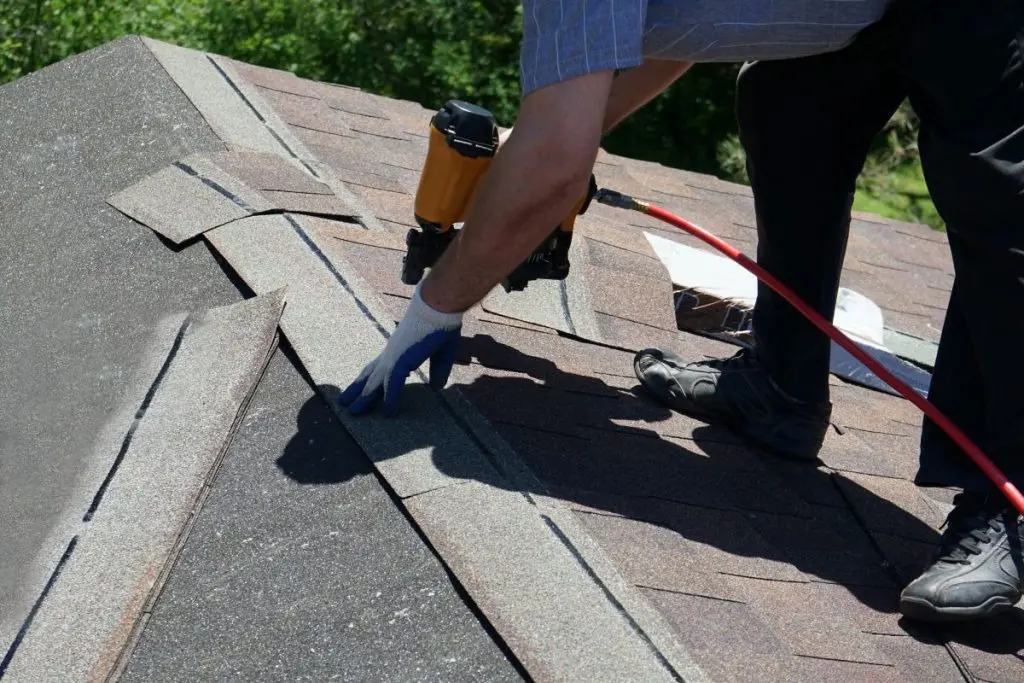
Roof maintenance is critically important because a properly maintained roof lasts up to 50% longer than a neglected one, and small issues caught during routine maintenance cost 90% less to fix than the same problems addressed after they cause interior damage. The math is simple: spending a few hundred dollars per year on maintenance prevents $10,000 to $30,000 in emergency repairs and premature replacement.
What Happens When You Skip Roof Maintenance?
Skipping roof maintenance allows small problems to compound into catastrophic failures over time. A single missed cracked shingle can let water seep into the decking, which rots the plywood, drips into the insulation, soaks the drywall, and eventually damages framing and personal property. The National Roofing Contractors Association advises that homeowner maintenance should be confined to inspecting the roof during fall and spring, noting that biannual inspections often uncover cracked or missing shingles, loose seams, deteriorated flashings, and excessive granules in the gutters. Delaware homes face additional stress from coastal humidity and storm activity that makes twice yearly inspection even more valuable than in drier inland climates. Neglecting maintenance also voids many manufacturer warranties, which typically require documented care to remain valid.
- Compounding damage: Small problems escalate into $10,000+ repairs when ignored.
- Warranty protection: Manufacturer warranties often require documented maintenance.
- Insurance impact: Insurers may non renew policies on visibly neglected roofs.
- Property value: Well maintained roofs support resale value better than neglected ones.
8 Roof Maintenance Tips Every Homeowner Should Follow
The eight tips below cover the maintenance framework that GAF Master Elite contractors recommend for every residential roof in Delaware. Each tip has real dollar and lifespan implications when performed consistently over the life of the roof.
1. Schedule Twice Yearly Professional Inspections
Scheduling twice yearly professional inspections is the single most important roof maintenance habit any homeowner can build. Spring inspections catch damage from winter freeze thaw cycles, ice dams, and snow load, while fall inspections identify summer UV degradation and prepare the roof for the next round of harsh weather. Professional inspections in Delaware typically cost $150 to $400 and take 45 to 90 minutes, which is inexpensive insurance against the far larger costs of undetected damage. Certified inspectors document their findings with photos and written reports that also support insurance claims and manufacturer warranty compliance. Homeowners should always schedule additional inspections after any major storm involving hail, high wind, or fallen branches.
- Spring inspection: Catches winter freeze thaw damage before summer rain arrives.
- Fall inspection: Identifies summer wear before winter weather begins.
- Post storm checks: Additional inspections after hail, wind, or fallen trees.
- Documentation: Written reports support warranty and insurance requirements.
2. Clean Gutters and Downspouts Regularly
Cleaning gutters and downspouts regularly prevents the water damage cascade that ruins fascia boards, causes ice dams, and rots decking along the roof edge. Clogged gutters back water up under the shingles at the eave line, which is the leading cause of interior leaks on otherwise sound roofs. Delaware homeowners should clean gutters at least twice per year, once in late spring after tree pollen and buds fall and again in late fall after leaves drop. Homes surrounded by trees may need quarterly cleaning to keep water flowing properly. Downspout extensions should discharge water at least 4 to 6 feet away from the foundation to prevent basement leaks and soil erosion around the home.
- Twice yearly minimum: Clean at least in late spring and late fall.
- Tree coverage adjustment: Add cleanings for homes with heavy tree coverage.
- Downspout extensions: Water should discharge 4 to 6 feet from the foundation.
- Ice dam prevention: Clean gutters help prevent winter ice dam formation.
3. Trim Overhanging Tree Branches
Trimming overhanging tree branches is one of the most impactful maintenance tasks homeowners often overlook. Branches that scrape against shingles in high wind strip granules faster than UV alone, while fallen limbs during storms can cause $5,000 to $15,000 in immediate damage. Leaves and pine needles that accumulate on the roof also hold moisture against the shingles and feed the algae and moss growth that shortens lifespan significantly. Aim to trim branches back at least 10 feet from the roof surface, which prevents most rubbing and reduces the risk of storm damage. Removing damaged or diseased limbs before nor’easter season provides additional protection against the wind events that cause the most branch fall damage.
- Branch clearance: Trim at least 10 feet back from the roof surface.
- Storm preparation: Remove weak or diseased limbs before storm season.
- Debris reduction: Fewer leaves and needles mean less moss and algae growth.
- Impact prevention: Reduces the risk of falling branches during severe weather.
4. Address Moss and Algae Growth Early
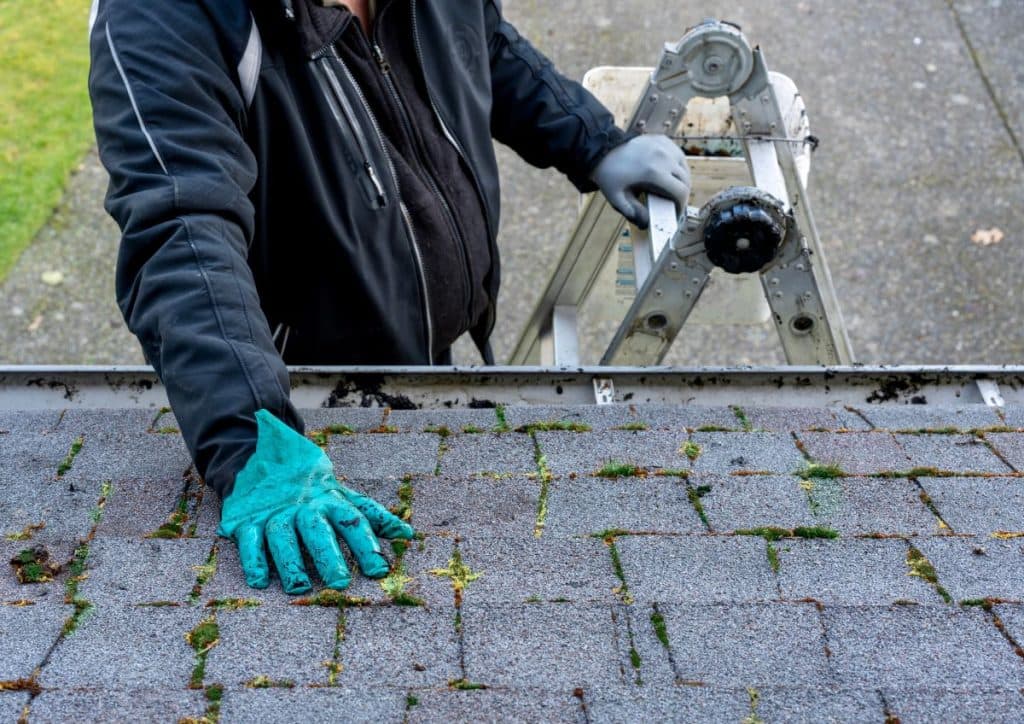
Addressing moss and algae growth early prevents the dark streaking and biological damage that shortens shingle lifespan in Delaware’s humid climate. Algae typically appears as dark streaks running down north facing slopes, while moss creates raised green patches that lift shingles and trap moisture beneath them. Both organisms feed on the limestone filler in asphalt shingles and accelerate granule loss significantly when left untreated. Zinc or copper strips installed near the ridge release trace metal ions during rain events that inhibit growth naturally, while chemical treatments applied by professionals can restore the appearance of already affected roofs. Never pressure wash shingles to remove moss, since the high pressure strips granules and can damage the surface irreparably.
- Early detection: Address streaks and green patches as soon as they appear.
- Zinc or copper strips: Preventive metal installations near the ridge inhibit growth.
- Professional treatment: Chemical treatments restore appearance without damaging shingles.
- Pressure washer warning: Never use high pressure on shingles under any circumstances.
5. Check Attic Ventilation and Insulation
Checking attic ventilation and insulation annually is one of the most impactful invisible maintenance tasks any homeowner can perform. Poor ventilation can cut shingle lifespan by 25% or more by trapping heat that bakes shingles from below and moisture that rots decking from beneath. A properly ventilated attic maintains temperatures within 10 to 15 degrees of the outdoor reading in summer, while a poorly ventilated attic can reach 150 degrees or more. Check that soffit intake vents are not blocked by insulation, that ridge vents are unobstructed by debris, and that insulation is evenly distributed at the manufacturer recommended R value (R49 to R60 for most Delaware homes). Ice dams in winter often signal ventilation problems that need immediate attention.
- Soffit vent inspection: Ensure air flows freely without insulation blocking openings.
- Ridge vent check: Verify the peak exhaust path is clear of debris.
- R value confirmation: Insulation should meet R49 to R60 for Delaware climate.
- Ice dam warning: Winter ice dams typically signal ventilation problems.
6. Inspect and Reseal Flashing Around Penetrations
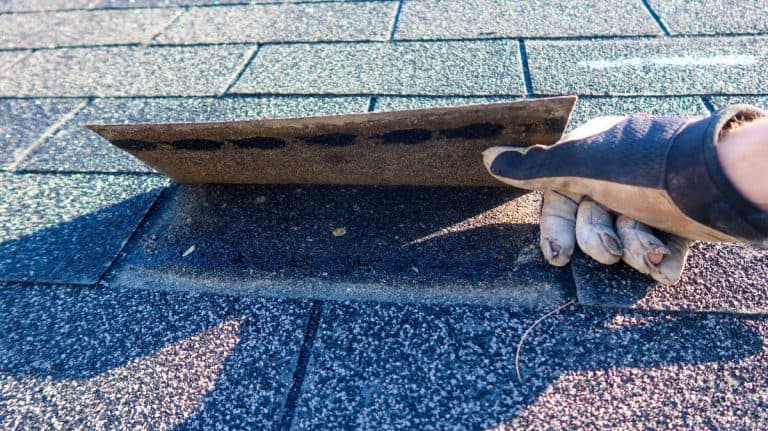
Inspecting and resealing flashing around penetrations catches the most leak prone areas on any roof before they cause interior damage. Flashing around chimneys, skylights, plumbing vents, and where the roof meets walls represents the leading cause of roof leaks because these transitions involve dissimilar materials that expand and contract at different rates. Rubber pipe boots typically fail within 10 to 15 years as the UV exposure cracks the collar around plumbing vents. Chimney flashing loosens and gaps as mortar joints deteriorate, while skylight seals shrink and pull away over time. Homeowners can visually inspect flashing from ground level with binoculars and schedule professional resealing when they spot cracked caulk, lifted metal edges, or rust streaks running down the roof surface.
- Pipe boots: Check rubber collars around plumbing vents for cracks.
- Chimney flashing: Look for gaps in mortar joints and lifted step flashing.
- Skylight seals: Inspect perimeter caulking and metal frames for separation.
- Regular resealing: Schedule professional resealing at the first sign of failure.
7. Watch for Interior Warning Signs
Watching for interior warning signs from inside the home catches roof problems long before they become visible outside. Water stains on ceilings, peeling paint near the roofline, condensation on cold surfaces, and musty odors in the attic all indicate potential roof issues that need immediate attention. Homeowners should walk through the attic with a flashlight at least twice per year, looking for daylight coming through the deck, water stains on rafters, wet insulation, or signs of pest intrusion. Mold growth on the underside of the decking signals inadequate ventilation, while rust on roofing nails poking through indicates long term moisture problems. Catching these signs early can mean the difference between a minor flashing repair and a full ceiling replacement.
- Ceiling stains: Brown rings or streaks indicate active or past leaks.
- Attic daylight: Any visible daylight means water can enter too.
- Wet insulation: Compressed or discolored insulation requires immediate attention.
- Mold and rust: Both indicate long term moisture problems requiring professional evaluation.
8. Keep Records and Warranty Documentation
Keeping records and warranty documentation is the administrative maintenance task that pays off years after the roof is installed. Save the original installation contract, manufacturer warranty paperwork, all inspection reports, and receipts for any maintenance work performed. Photograph the roof annually from the same angles so year over year comparisons reveal slow developing issues that the eye misses in real time. When storm damage occurs or repairs become necessary, this documentation makes insurance claims and warranty requests significantly easier to process. Homeowners in Milford and surrounding areas who sell their homes with complete maintenance records often see stronger buyer confidence and better appraised value than those with no paperwork trail.
- Installation records: Save original contract and material specifications.
- Warranty paperwork: Keep all manufacturer warranty documents accessible.
- Inspection reports: Store written reports from every professional inspection.
- Annual photos: Photograph the roof yearly for trend documentation.
How Much Does Roof Maintenance Cost?
Annual roof maintenance costs $300 to $800 for a typical Delaware home when combining professional inspections, gutter cleaning, and minor repairs. This modest investment prevents the much larger costs of emergency repairs and premature replacement that neglected roofs eventually require.
What Should Homeowners Budget for Roof Care?
Several specific expenses make up a complete residential roof maintenance budget. Professional inspections run $150 to $400 twice per year for a total of $300 to $800 annually. Gutter cleaning costs $100 to $250 per service performed twice per year, adding $200 to $500 to the annual budget unless the homeowner handles it themselves. Minor repairs like resealing flashing, replacing pipe boots, or patching small shingle damage typically cost $200 to $600 when caught early. Homeowners who bundle these services through a maintenance program often save 15 to 25% compared to purchasing each service separately, which is why programs like the one offered by Grand Exteriors deliver strong long term value.
- Inspections: $150 to $400 per visit, twice yearly for $300 to $800 total.
- Gutter cleaning: $100 to $250 per service, twice yearly.
- Minor repairs: $200 to $600 annually for early caught issues.
- Program savings: Bundled maintenance programs typically save 15 to 25%.
Frequently Asked Questions
How Often Should I Have My Roof Professionally Inspected?
Homeowners should schedule professional roof inspections at least twice per year in spring and fall, plus additional inspections after any major storm involving hail, high wind, or fallen trees. Roofs older than 15 years may benefit from quarterly inspections during severe weather seasons.
Can I Do Roof Maintenance Myself?
Homeowners can safely perform ground level visual inspections, attic checks, and gutter cleaning from a ladder, but should not walk on the roof for on roof maintenance tasks. Falls from residential roofs cause hundreds of serious injuries every year, and professional maintenance from GAF Master Elite contractors provides safer and more thorough results.
What Is the Best Time of Year for Roof Maintenance?
Spring and fall are the ideal seasons for roof maintenance in Delaware, when temperatures are mild and weather conditions are stable. Spring maintenance addresses winter damage while fall maintenance prepares the roof for the coming winter storm season.
Will Roof Maintenance Extend My Roof’s Life?
Yes, consistent roof maintenance can extend shingle lifespan by 5 to 10 years by catching small problems before they compound and by preserving warranty coverage. Regular attic ventilation checks alone can extend shingle life by up to 25% by preventing heat damage from below.
Are Roof Maintenance Programs Worth the Money?
Roof maintenance programs typically save homeowners 15 to 25% compared to purchasing individual services and provide the added value of documented care that supports warranty and insurance requirements. Programs from certified contractors like Grand Exteriors also offer priority scheduling during storm season when independent service is hardest to find.
Does Homeowners Insurance Cover Roof Maintenance?
Homeowners insurance does not cover routine maintenance costs, which are considered the homeowner’s responsibility as part of property ownership. Insurance typically covers repair and replacement only when damage results from a covered peril like wind, hail, or fallen trees, not from wear and tear that regular maintenance is meant to prevent.
Why Grand Exteriors Is the Right Choice for Your Roof Maintenance Needs
Grand Exteriors brings the gold standard to every roof maintenance engagement across Milford and surrounding areas, combining GAF Master Elite certification with the ongoing care programs that keep Delaware roofs performing at their best year after year. As a family owned and operated company, we treat every home like it belongs to a neighbor, which means our maintenance program members receive priority scheduling, documented inspections, and honest guidance about when repair versus replacement makes sense. From emergency repairs and full insurance claims assistance to flexible financing and ongoing maintenance program coverage, we make sure homeowners get proactive care rather than reactive damage control. If you want to protect your roof investment with professional roof maintenance tips built into a scheduled program, contact Grand Exteriors today for a free estimate and a walkthrough of our maintenance program options.